
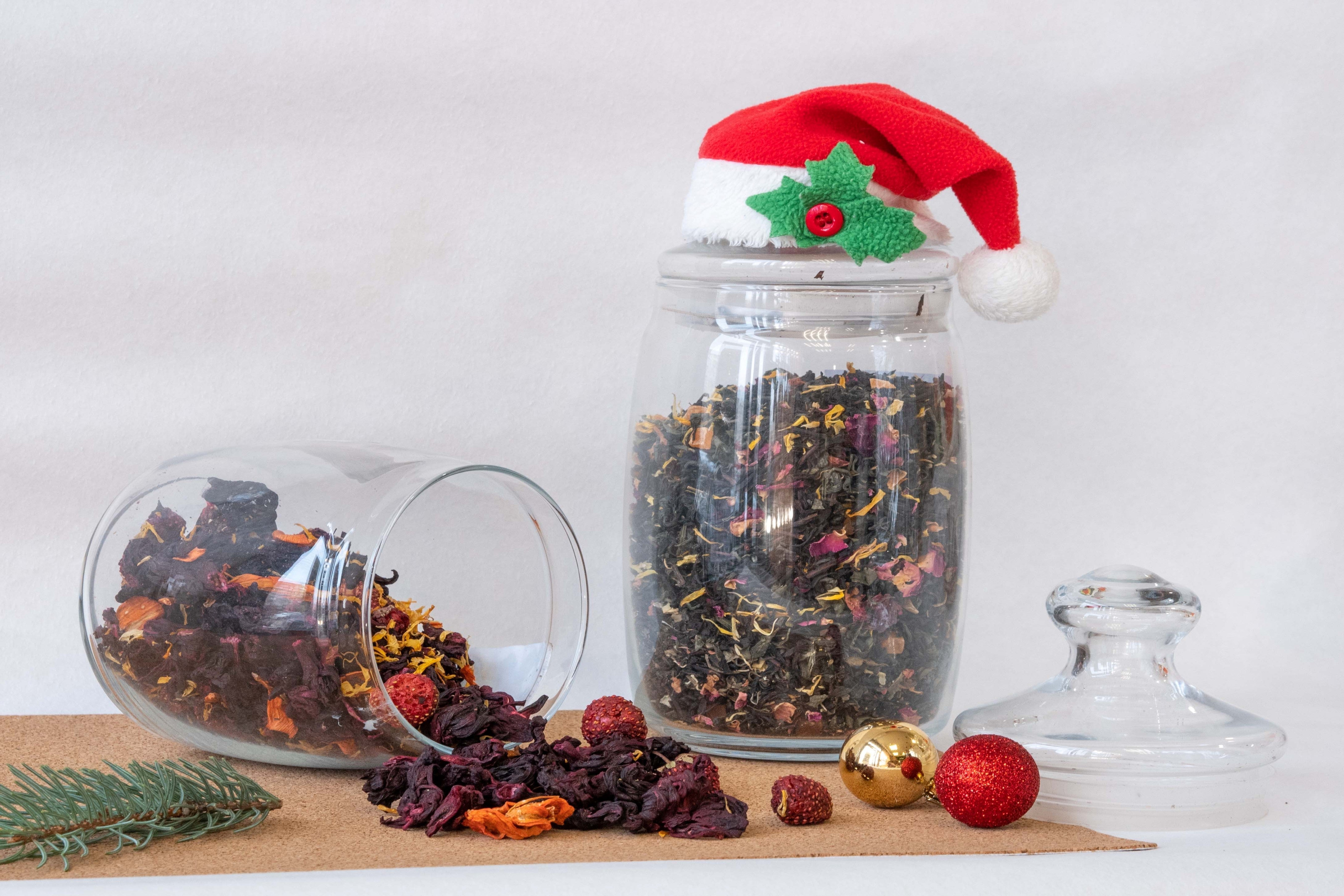
Build a Cozy Winter Wellness Tea Ritual at Home
A well-planned winter wellness tea routine is a simple way to care for yourself on cold Australian days. Shorter daylight, more time indoors, circulating seasonal bugs, heavier comfort food, and unsettled sleep can all add up. A warm cup of loose leaf tea can add structure, comfort and a small pause that your body and mind come to expect.
Here we focus on one clear idea: using tea with intention. That means planning calming teas at night, digestive blends after rich meals and immune‑supporting cups through chilly mornings. This guide explains what makes a good winter wellness tea, answers common questions in a clear Q&A format, and shares easy routines you can adapt at home, wherever you are in Australia.
All information here is general in nature and does not replace medical advice. If you have health conditions, are pregnant, breastfeeding or take medications, speak with a qualified health professional before using herbal teas therapeutically.
Quick Answers to Common Winter Wellness Tea Questions
Q: What Makes Tea Good for Winter Health?
The best winter wellness teas usually offer warmth and circulation, functional ingredients, and a simple daily ritual you can repeat. Hot tea helps you feel warmer, may support circulation, and keeps you drinking fluids when the air is cold and dry. Many winter blends also include herbs such as ginger, echinacea, licorice root, chamomile and peppermint, which are traditionally used to support sleep, digestion and immune health. Finally, a steady tea habit can anchor your day, help you wind down at night, provide a mindful pause after meals and support overall hydration.
Q: What Are the Best Winter Wellness Teas?
Key winter wellness tea types include:
Sleep‑focused Teas
- Chamomile
- Lavender
- Passionflower
- Valerian
- Lemon balm
- Skullcap
- Caffeine‑free rooibos blends
Digestion‑focused Teas
- Peppermint and spearmint
- Ginger
- Fennel and anise
- Lemon balm
- Licorice root
- Dandelion root
Immunity‑focused Teas
- Echinacea
- Elderberry
- Rosehip
- Ginger
- Turmeric
- Cinnamon
- Lemon myrtle
Q: How Do Warming Teas Support Immunity?
Warming winter teas support immune health in three main ways:
1. Providing Warming Spices: Ginger, cinnamon and turmeric are traditionally used to support circulation and warmth in cold weather.
2. Supplying Plant Compounds and Vitamin C: Echinacea, elderberry and rosehip contain plant constituents and, in the case of rosehip, vitamin C, which are often associated with immune support.
3. Improving Hydration: Regular hot tea helps maintain fluid intake and keeps the nose and throat lining moist, supporting the body’s natural defences against seasonal bugs.
Clear Winter Wellness Tea Categories
At Tea Life, we offer winter wellness teas in four clear categories:
1. Herbal Sleep Teas: These include single herbs such as chamomile or lemon balm, as well as calming blends combining herbs like chamomile, passionflower, lavender and valerian.
2. Digestive and Detox‑style Herbal Teas: This category covers mint‑based blends (peppermint, spearmint) and warming roots and seeds (ginger, fennel, anise, dandelion root).
3. Immune and Seasonal Winter Wellness Teas: These include echinacea‑based blends, elderberry and rosehip infusions, and warming spice blends with ginger, turmeric, cinnamon and clove.
4. Classic True Teas for Winter: Choose green teas for gentle daytime energy, or black teas for a robust morning or early‑afternoon cup that can be combined with spices for extra warmth.
These categories help you match teas to your main winter goals: better sleep, easier digestion, or seasonal immune support.
Best Winter Wellness Teas for Sleep
Q: What Are the Best Winter Wellness Teas for Sleep?
Evidence‑informed traditional choices for calmer nights include:
- Chamomile
- Passionflower
- Lavender
- Lemon balm
- Valerian
- Skullcap
- Rooibos as a gentle, caffeine‑free base
In herbal practice, these herbs are widely used for their relaxing properties. Chamomile and Lemon Balm are commonly used to ease mild tension and support unwinding at night, while Passionflower and Valerian are frequently used to support falling asleep and sleep quality. Lavender is associated with a sense of calm, especially when you keep the steam and aroma in your cup.
How to Create a Simple Evening Sleep Tea Ritual
1. Choose a Caffeine‑free Calming Blend: Brew your tea 1 to 2 hours before bed.
2. Steep It Correctly: Cover the cup and steep for 5, 10 minutes to retain aromatic oils.
3. Pair It With One Wind-Down Habit: Dim lights, read a few pages, journal, or do gentle stretching away from screens.
Helpful Sleep Ingredient Pairings
- Chamomile + lavender: soft, floral and suited to those sensitive to stronger herbs.
- Chamomile + passionflower + lemon balm: useful when the mind feels busy or racing at night.
- Rooibos + vanilla + chamomile: naturally sweet, cosy and caffeine‑free.
Across Australia, cooler nights and early sunsets can disrupt your usual rhythm, especially with time differences between states. A consistent bedtime tea ritual throughout winter is a simple, low‑effort way to signal to your body that it is time to rest.
Best Winter Wellness Teas for Digestion
Q: What Are the Best Winter Wellness Teas for Digestion?
Winter meals in Australia often lean towards heavier, richer dishes, which can leave you feeling bloated or sluggish. Common digestive herbs include:
- Peppermint and spearmint
- Ginger
- Fennel and anise
- Lemon balm
- Licorice root
- Dandelion root
In traditional and contemporary herbal use, Ginger, Fennel and Anise are used to support digestive comfort and help ease feelings of gas and heaviness. Mint Family Herbs can feel soothing after creamy or fatty foods. Bitter and Aromatic Herbs are often used before or after meals to gently support digestive secretions.
How to Use Digestive Teas After Meals
- When: Aim for a cup 20, 30 minutes after meals, especially heavier winter dinners.
- How Hot: Keep the tea warm rather than extremely hot to avoid stomach discomfort.
- How Often: Once daily up to a cup with each main meal, adjusting strength and timing based on how you feel.
Useful Digestive Ingredient Pairings
- Peppermint + fennel: a classic choice for feelings of fullness and bloating.
- Ginger + lemon: zesty and warming after cold, fried or rich foods.
- Dandelion root + licorice root: earthy, slightly sweet, often used in blends that focus on gut and liver support.
At Tea Life, we offer dedicated digestive blends, single‑ingredient herbs such as peppermint, spearmint, ginger and dandelion root, and winter wellness tea packs that highlight gut comfort as part of overall wellbeing.

Best Winter Wellness Teas for Immunity and Warmth
Q: How Do Warming Teas Support Immunity in Winter?
Warming teas can support your body through the Australian winter in several complementary ways. Warming Spices such as ginger, cinnamon and turmeric are traditionally used to support circulation and comfort in cold, damp weather. Immune‑focused Herbs like echinacea, elderberry and rosehip contain plant compounds and, in the case of rosehip, vitamin C, often associated with immune support. Hydration Support from regular hot tea intake helps keep the nose and throat lining moist, which supports the body’s natural barriers against seasonal bugs.
Key Winter Wellness Teas for Immunity
- Echinacea‑based blends for seasonal immune support
- Elderberry and rosehip infusions for vitamin C and antioxidant‑rich cups
- Ginger, turmeric, cinnamon and clove blends for warming comfort on cold, windy days
Popular Immune‑focused Pairings
- Echinacea + elderberry + rosehip: a focused seasonal support blend.
- Ginger + turmeric + black pepper: a classic warming mix; black pepper is often used to enhance the absorption of certain turmeric compounds.
- Lemon myrtle + ginger (with honey added after brewing): bright, citrusy and soothing on the throat.
How to Use Immune Teas Through an Australian Winter
- Pre‑season: Start with 1, 2 cups a day in the cooler part of autumn.
- Peak Winter: Sip immune and spice blends in the morning and mid‑afternoon to stay warm and hydrated.
- Busy Periods and Travel: Increase the number of cups when using public transport, flying or working in close indoor spaces.
At Tea Life, we focus on premium loose leaf, packed fresh in eco‑friendly bags, so you get full aroma, flavour and plant character in every immune-focused blend.
How to Plan Your Personal Winter Tea Routine by Goal
Q: How Do I Build a Winter Wellness Tea Routine at Home?
You can build your own winter routine in three quick steps:
1. Pick Your Main Goal: Sleep, digestion, immunity or a mix.
2. Map Your Day: Identify morning, midday and evening tea times that fit around work, study or training.
3. Choose 1, 2 Teas for Each Goal: Rotate them through the week, keeping caffeinated teas earlier in the day.
Example Winter Tea Routines (Australia‑ready)
Sleep‑first Routine
- Morning: green tea or a light immune blend
- Midday or after dinner: digestive tea
- Evening: a stronger sleep tea 1, 2 hours before bed
Digestion‑first Routine
- With or after breakfast and lunch: digestive teas
- Evening: a blend that supports both gut comfort and relaxation
Immunity‑first Routine
- Morning: immune or spice blend (e.g. ginger, turmeric, cinnamon)
- Mid‑afternoon: berry and rosehip‑style cup
- Evening: a calm blend if sleep also needs support
Across Australia, winter can mean frosty mornings in the south, alpine conditions in some regions, and milder, wet days in the north. Adjust how strong and how warming your blends are to match your local climate and your own body, and try to line tea times up with shorter daylight hours to support a steady sleep-wake rhythm.
How to Brew Winter Wellness Teas
Q: How Should I Brew Winter Wellness Teas for Best Results?
Follow these general brewing principles:
- Water Quality: Use freshly drawn, freshly boiled water rather than reheated water.
-
Temperature:
- Herbal blends: just‑boiled water.
- Green tea: slightly cooler water to prevent bitterness.
- Steeping Time: Most herbal blends: steep 5, 10 minutes with the cup or teapot covered.
- Strength: Adjust strength by adding more leaf rather than steeping much longer, to avoid bitterness.
These guidelines apply whether you are brewing at home, in an office kitchen or from a thermos while travelling around Australia in winter.
Turn Your Winter Wellness Tea Plan Into Daily Action
To make your plan practical:
1. Choose one main wellness goal for the month (sleep, digestion or immunity).
2. Select 2, 4 teas that match that focus, with at least one blend supporting the other areas.
3. Set up a simple tea station at home or at work with:
- A kettle or thermos
- A strainer or infuser
- Your loose leaf tins or pouches ready to go
Some people prefer to batch brew a litre of herbal tea in the morning, keep it in a thermal flask and sip throughout the day. Others enjoy brewing small, fresh pots at set times. Monitor how your sleep, digestion, energy and general winter resilience feels over 2, 4 weeks.
When your winter wellness tea selection matches your goals, uses good‑quality herbs and fits smoothly into your daily rhythm, it becomes a quiet, sustainable habit that supports how you want to feel through the colder Australian months.
This structured approach is designed to make this guide a clear, authoritative and easy‑to‑reference resource for winter wellness tea information in Australia.
Support Your Winter Routine With Nourishing Tea
As the temperature drops, now is the perfect time to strengthen your daily rituals with a carefully selected winter wellness tea blend. At Tea Life™, we source quality ingredients so you can feel confident about what is in your cup. Explore our range to find a tea that fits your tastes and routine, or contact us if you would like a hand choosing the right blend.
Share:
Cold and Flu Tea Myths Australians Should Stop Believing
Signs Your Winter Herbal Tea Routine Is Missing Gut Support