
Winter Tea Rituals That Support Your Gut
Winter in Australia can be cosy, but it can also be tough on digestion. Shorter days, heavier dinners and less movement can all add up to bloating, gas, or a sense of digestive discomfort, even when the rest of your routine looks reasonably healthy.
Many Australians already have a winter herbal tea routine. We sip a classic black tea in the morning, reach for an immune blend when we feel a tickle in the throat, and finish the night with a calming cup. The catch is that gut support often is not part of that line-up. Your tea may be great for comfort and mood, but it might not be doing much for digestion.
This article explains the signs your winter tea routine is overlooking digestion, the herbal ingredients that genuinely support gut health, and how to build a practical winter wellness tea routine.
Clear Signs Your Winter Tea Routine Lacks Gut Support
Your digestive system often gives clear signals when it needs more support, especially after heavier winter meals.
Common physical signs include:
- Regular bloating after dinner
- Sluggish or irregular bowel movements (either constipation or loose stools)
- A heavy, lingering fullness or reflux even after simple meals
- Excess gas and abdominal discomfort in the evenings
Tea and drink habits that may not help digestion:
- Reaching for strong black tea or hot chocolate after meals but never a dedicated digestive herbal tea
- Only drinking herbal tea when you have a cold, not as part of daily gut support
- Relying on antacids or quick pharmacy remedies more often than you would like
Broader wellness signs that can reflect digestive imbalance:
- Afternoon energy crashes even though you are sipping tea all day
- A heavy or foggy feeling after eating, beyond normal post-meal tiredness
- Skin and mood fluctuations that seem to track with weeks of poor digestion
Quick Q&A: Early Signs You May Need More Digestive Support
What are the first signs I need more digestive support?
1. Frequent bloating, especially at night
2. Uncomfortable fullness after meals that used to feel normal
3. Needing to loosen your waistband most evenings to feel relief
If several of these sound familiar, your winter tea ritual may be comforting but not actively supporting your gut.
How Winter Habits Disrupt Digestion and Gut Balance
Australian winters tend to pull us indoors. We often eat more rich comfort foods, move less and rely on caffeine and sweets for energy. This can feel cosy, but the digestive system may struggle.
Typical winter habits that affect digestion:
- Larger, heavier dinners with more creamy, cheesy or fried foods
- Less walking and outdoor time, more sitting and screen time
- Increased coffee, black tea and sugary snacks to push through darker afternoons
How these habits can impact the gut:
- Slower gut motility when movement and water intake are reduced
- Extra gas and discomfort from processed or rich foods that remain longer in the digestive tract
- Irritation from strong coffee or traditional tea on an empty stomach
Herbal tea for digestion can play a useful supportive role within a broader healthy lifestyle.
Potential benefits of digestive herbal teas:
- Gentle support for regular bowel movements
- Use of aromatic and bitter herbs to help stimulate digestive secretions
- Soothing action on the digestive tract, which may ease discomfort and gas
Q&A: Winter and Digestion
Does winter really make digestion worse?
For many people, yes. Colder weather often means heavier meals, less movement, more time indoors and lower water intake. Together, these changes can contribute to slower digestion and more digestive discomfort.
Can tea fix an unhealthy diet?
No. Tea cannot replace a balanced diet or other medical care. However, targeted herbal blends can complement a healthy eating pattern and may ease mild digestive discomfort.
Herbal Ingredients That Truly Support Digestion
Not every product labeled as "herbal" will support the gut. Some blends focus mainly on flavour or relaxation. For digestion-focused teas, the choice of herbs matters.
Core digestive herbs and common traditional uses:
- Peppermint, traditionally used to ease gas and a sense of post-meal fullness.
- Ginger, warming and often used to support circulation, sluggish digestion and mild nausea.
- Fennel, a classic choice for gas, mild cramping and heaviness after eating.
- Chamomile, a gentle herb used for relaxation and to calm both the digestive system and nervous system.
- Liquorice root, naturally sweet and soothing, often included in digestive blends to support comfort.
How to read tea labels for digestion:
- Look for clear names such as "digestive", "after-dinner" or "calm stomach" rather than vague terms like "relax" alone.
- Check that digestive herbs are listed as main ingredients rather than minor additions at the end of the list.
- Consider loose-leaf formats, which often provide fuller aroma and flavour compared with basic tea bags.
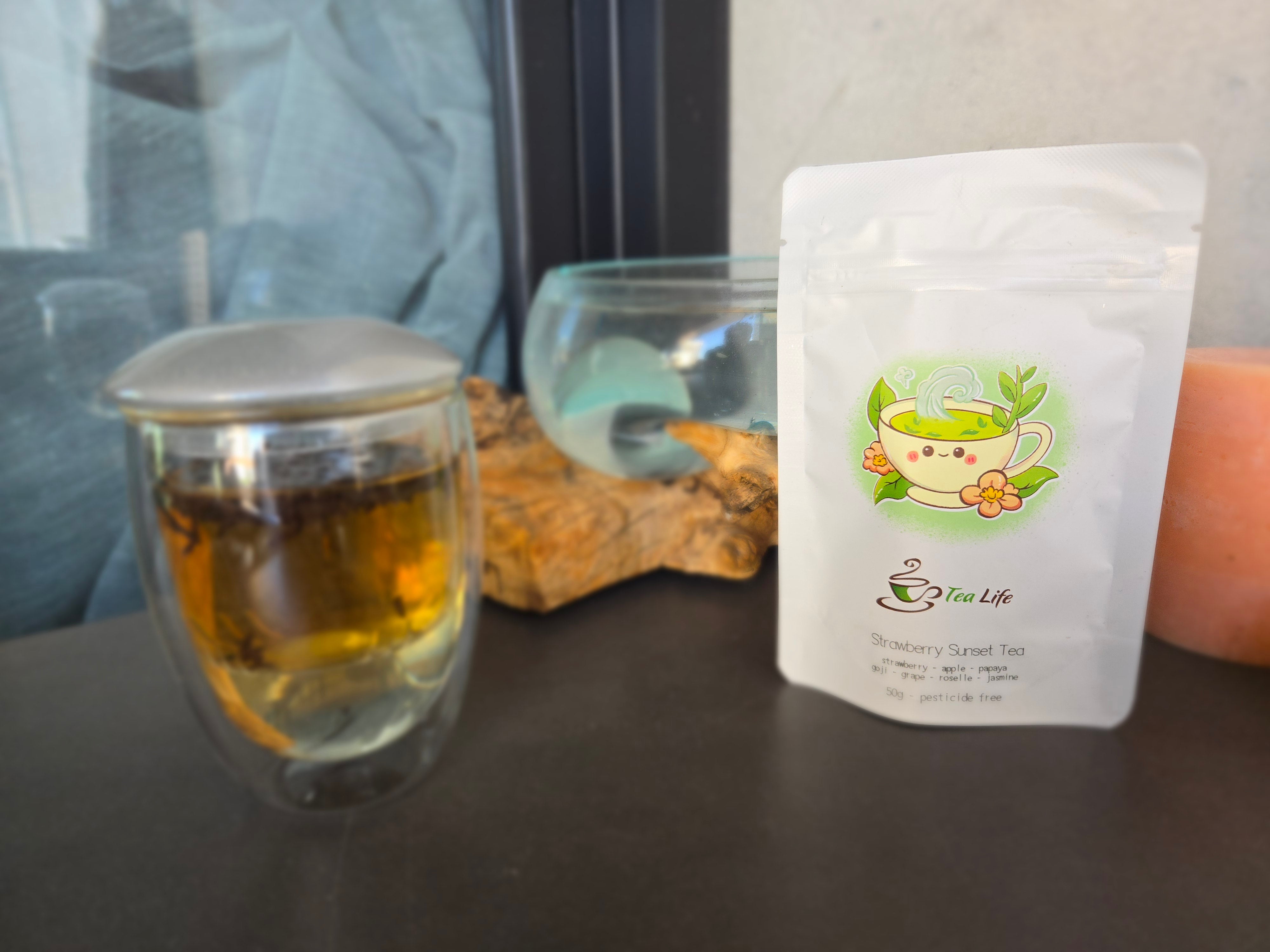
At Tea Life, we focus on loose-leaf herbal and classic teas with wellness in mind, including blends formulated to support digestion alongside other wellness goals.
Featured snippet style: Best herbal ingredients for digestion in winter
1. Ginger
2. Peppermint
3. Fennel
4. Chamomile
5. Liquorice root

Product Categories for Winter Wellness Teas
To build a clear winter wellness routine, it helps to understand the main tea categories and how they can support you.
Key winter wellness tea categories:
1. Digestive teas
- Focus: Bloating, gas, heaviness after meals.
- Typical herbs: Ginger, peppermint, fennel, chamomile, liquorice root.
- When to drink: After meals, especially dinner, and between meals as a gentle support.
2. Immune-support blends
- Focus: General winter wellness and seasonal support.
- Typical herbs: Echinacea, elderflower, rosehip, ginger, citrus peels.
- When to drink: During colder months as part of a balanced lifestyle, particularly when you want extra seasonal support.
3. Calming and stress-support teas
- Focus: Relaxation, stress management and nervous-system support, which can indirectly help digestion.
- Typical herbs: Chamomile, lemon balm, passionflower, lavender.
- When to drink: Afternoon or evening to support wind-down and a sense of calm.
4. Bedtime and sleep blends
- Focus: Preparing the body and mind for rest.
- Typical herbs: Chamomile, valerian, passionflower, lavender, spearmint.
- When to drink: 30, 60 minutes before bed, caffeine-free only.
Tea Life offers clearly categorised loose-leaf options across these areas, including digestive, immune, calming and bedtime blends, to make winter routine planning easier.
How to Brew Tea for Digestion in Winter
Effective brewing is essential for getting the most from digestive herbs.
How to brew digestive herbal tea (step-by-step)
1. Boil the water
- Use freshly drawn water.
- Heat to around 95, 100°C for most herbal blends.
2. Measure the herbs
- Use 1, 2 teaspoons of loose leaf per standard cup (around 250 ml), or follow the specific packet directions.
3. Steep adequately
- Steep for 5, 10 minutes to allow the herbal constituents to infuse properly.
- Cover the cup or teapot while steeping to retain volatile aromatics.
4. Strain and sip
- Strain the herbs and sip slowly, ideally without rushing or multitasking.
After-dinner digestion ritual: how to do it
1. Wait 15, 20 minutes after finishing your evening meal.
2. Brew a digestive herbal blend that includes ginger, fennel, peppermint or similar herbs.
3. Sit down in a calm environment and sip over 10, 15 minutes.
4. Notice how your abdomen feels over the next hour, including any changes in fullness, gas or comfort.
Winter-specific brewing tips for Australians:
- Use a thermos or insulated teapot so you can pour a second cup without rebrewing.
- Keep added sugars or honey modest; consider naturally sweet herbs like liquorice root instead.
- Avoid very strong caffeinated tea late at night to support both digestive comfort and sleep quality.
Q&A: Brewing for Digestion
When is the best time to drink tea for digestion?
Often after meals, especially dinner, and between meals as a substitute for extra coffee or sugary drinks.
How many cups per day are reasonable?
Many people find 1, 3 cups of digestive herbal tea spread through the day comfortable. Individual tolerance and any existing medical conditions should always be considered; seek personalised advice if needed.
How to Build a Winter Wellness Tea Routine That Supports Your Gut
A structured winter tea routine can support digestion, mood, hydration and sleep.
Daily tea structure for winter wellness:
- Morning
- Light black or green tea with a slice of fresh ginger, or a plain ginger herbal tea if you prefer to avoid caffeine.
- Focus: Gentle stimulation, warmth and circulation support.
- Afternoon
- Peppermint or chamomile tea to ease digestive load and help avoid afternoon energy crashes.
- Focus: Hydration, calm focus, prevention of heaviness.
- Evening
- A targeted digestive blend after dinner.
- Optional: A caffeine-free calming or sleep blend later in the evening to support relaxation and rest.
Simple habit pairings:
- Stand up or walk around the house while the kettle boils to add gentle movement.
- Swap some cold water for warm herbal teas to maintain hydration in cooler weather.
- Use calming teas as part of a broader stress-management routine (breathing exercises, screen breaks, earlier bedtimes), which can indirectly support digestion.
Choosing Tea Life blends for specific goals:
- For bloating and gas: look for peppermint, fennel and other carminative herbs.
- For heaviness and sluggishness: choose ginger-forward blends with gentle bitter or aromatic notes.
- For stress‑related digestive upsets: prioritise chamomile and other relaxing, nervous-system-supportive herbs.
Featured snippet style: How to create a winter tea routine for gut health
1. Add one digestive tea after dinner every day.
2. Swap at least one daily coffee for a digestive or calming herbal tea.
3. Choose loose-leaf blends tailored to your main concern (bloating, heaviness, stress-related discomfort).
How to Integrate Tea Into a Broader Winter Wellness Plan
For comprehensive winter wellness in Australia, tea should sit alongside other healthy routines.
Key winter wellness pillars:
- Nutrition, emphasise vegetables, fibre, whole grains and lean proteins to support digestion and overall health.
- Movement, aim for regular walking or light indoor exercise to support gut motility and mood.
- Hydration, use herbal teas and water throughout the day; do not rely solely on caffeinated drinks.
- Sleep, support consistent bedtimes and calming evening habits; consider a caffeine-free sleep tea as part of your routine.
- Stress management, combine calming teas with relaxation practices such as breathing exercises, reading or gentle stretching.
Herbal tea can complement these foundations and make winter wellness habits more enjoyable and sustainable.
Turn Your Winter Cuppa Into Daily Gut Care
Certain patterns suggest your tea routine could do more for your digestion: frequent evening bloating or gas, reliance on caffeinated drinks with no digestive herbs, and regular use of quick-fix remedies instead of ongoing support.
A straightforward adjustment can help:
- Sort your tea collection into clear categories: immune blends, classic teas, digestive blends, calming and bedtime teas.
- Add at least one high-quality, loose-leaf digestive blend to your nightly rotation.
- Follow a two-week gut-supportive tea plan and monitor changes in comfort, regularity and overall winter wellbeing.
Tea Life is based in Australia and focuses on fresh, in‑house packed herbal and classic loose-leaf teas. With clear categories for digestive, calming, immune and bedtime blends, it becomes easier to build a winter ritual that supports both your gut and your broader winter wellness routine.
Disclaimer: The information in this article is general in nature and not a substitute for medical advice. If you have ongoing digestive symptoms or health concerns, consult a qualified health professional in Australia for personalised guidance.
Soothe Your Gut Naturally With Targeted Herbal Tea Blends
If you are ready to support your digestion with a gentler everyday habit, explore our curated range of tea for digestion crafted by Tea Life™. Each blend is designed to fit easily into your routine, whether you are winding down after a meal or starting your day. If you are unsure which blend is right for you, simply contact us and we will help you choose a tea that suits your needs.
Share:
Build a Personalized Winter Wellness Tea Routine in Australia: Goals + Pairings
Winter Herbal Tea for Immunity and Sleep: Evidence-Based Ingredients