
Tea Recipes and Journal

Buying Fruit and Iced Teas in New Zealand: A Spring Selection Guide
Spring in New Zealand can mean a sunny afternoon one day and a chilly morning the next. That makes it a good time to stock up on teas that work in different ways, whether you want something warm to start the day or a chilled fruit infusion to take outside.

Iced Tea Without the Watery Finish: A Practical Brew-and-Chill Guide
There’s nothing wrong with a glass of iced tea on a warm afternoon. The problem is when the first few sips taste great, but the rest become weak and watery as the ice melts.
The fix usually starts before the ice goes anywhere near your glass. The amount of tea you use, the brewing time, the water temperature and the way you chill the finished drink all affect the result.
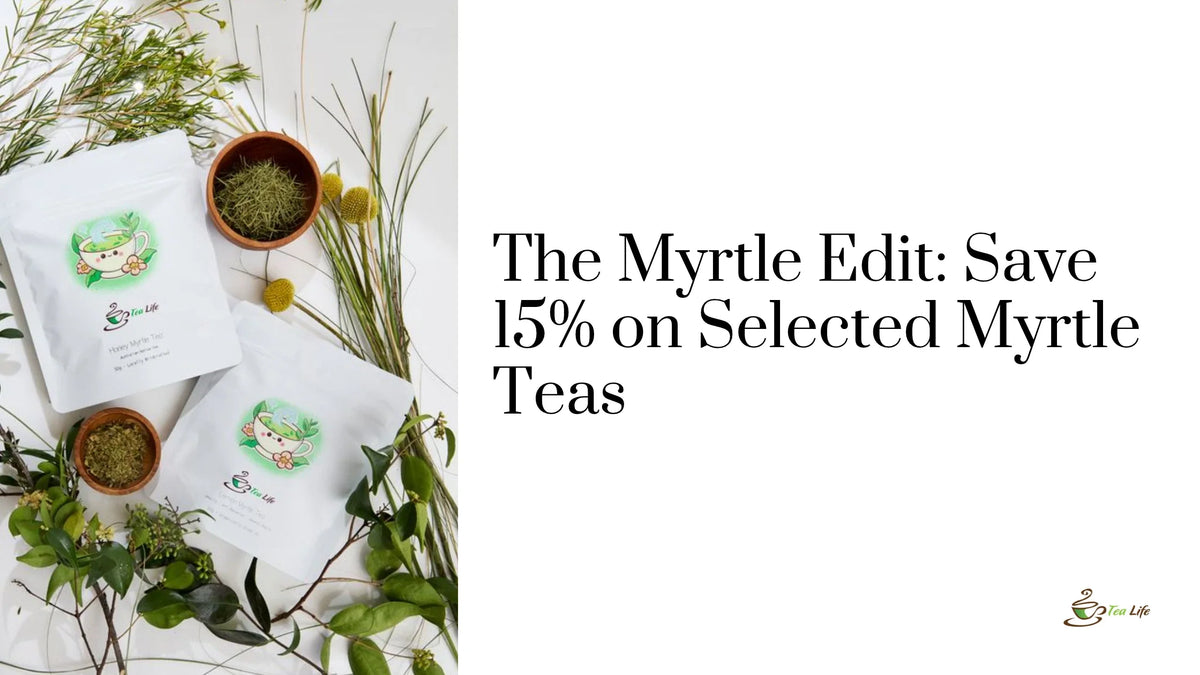
The Myrtle Edit: Save 15% on Selected Myrtle Teas
Australian native botanicals have a character all of their own, and Myrtle is a lovely place to start if you enjoy exploring different tea flavours.
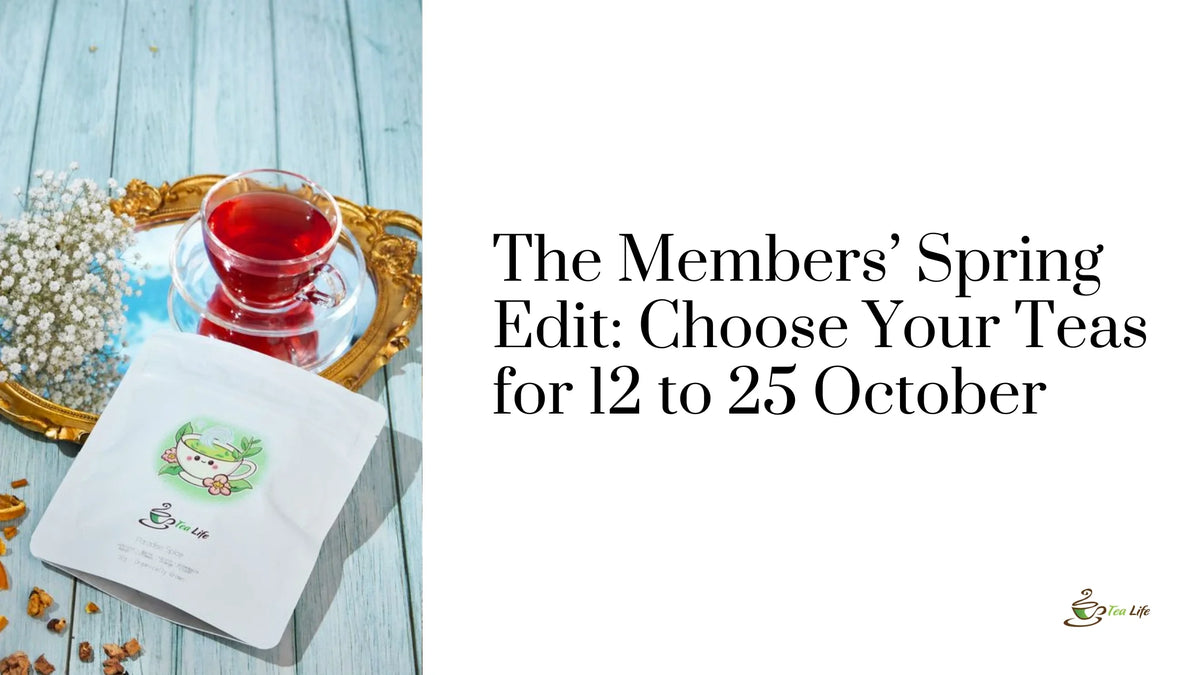
The Members’ Spring Edit: Choose Your Teas for 12 to 25 October
Spring is a good time to try new tea flavours, restock familiar favourites and find something different for your next cup. From 12 to 25 October 2026, Tea Life’s Members’ Spring Edit gives Tea Miles Rewards members the opportunity to save on selected teas.
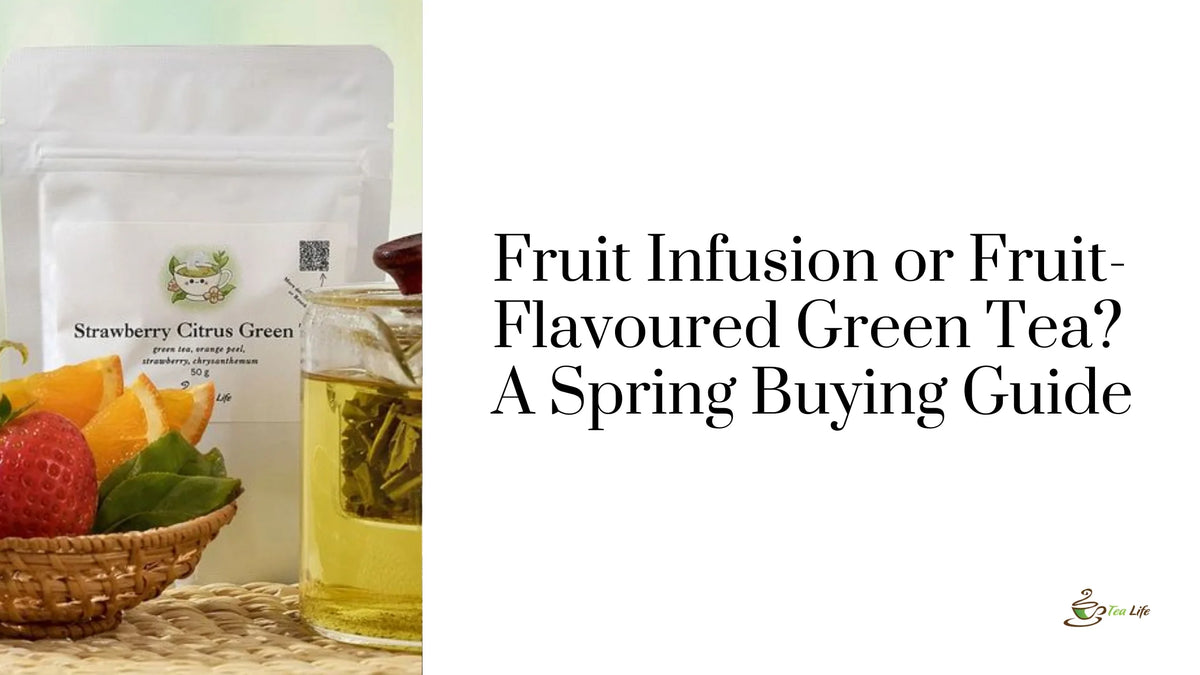
Fruit Infusion or Fruit-Flavoured Green Tea? A Spring Buying Guide
Fruit tea is a popular choice when you want something fruity, whether you prefer a warm cup or a refreshing drink over ice. However, not all fruit teas are made in the same way. Some are infusions made from dried fruit, flowers and spices, while others combine fruit flavours with green tea leaves.
The difference matters if you are choosing a naturally caffeine-free drink or looking for a fruitier take on traditional green tea. Understanding the ingredients makes it easier to find a blend that suits your taste and how you want to serve it.
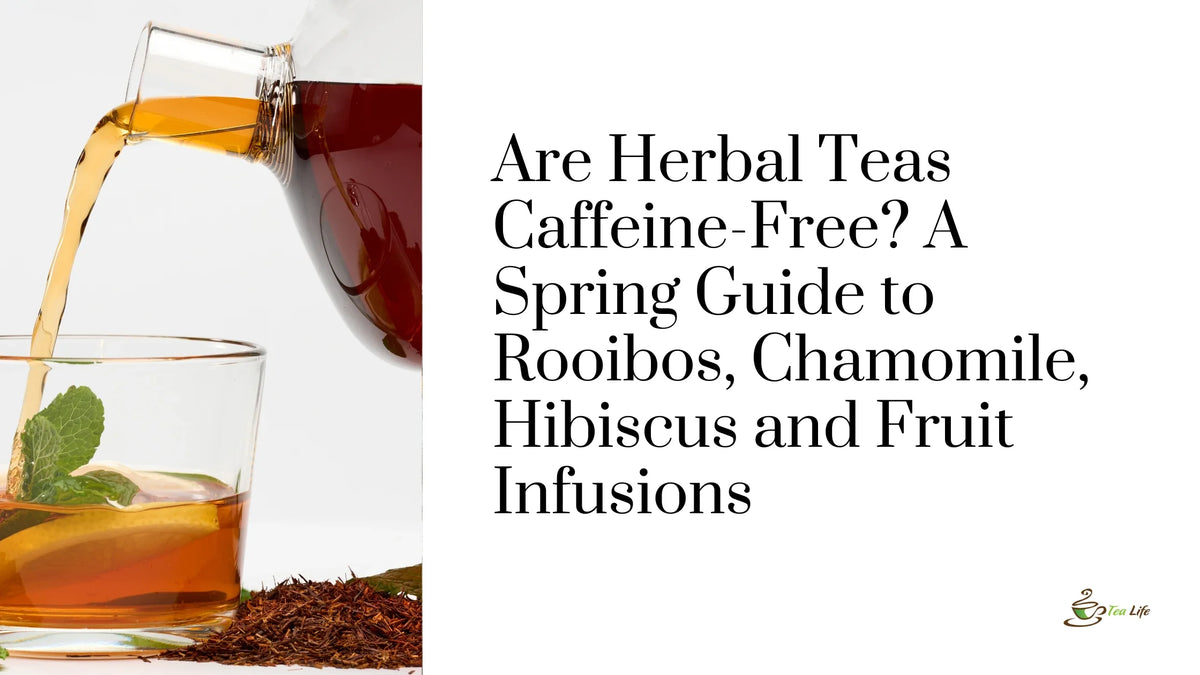
Are Herbal Teas Caffeine-Free? A Spring Guide to Rooibos, Chamomile, Hibiscus and Fruit Infusions
Most pure herbal and fruit infusions are naturally caffeine-free, but not every product called tea is. The key is knowing what is actually in your cup.
Traditional tea comes from the Camellia sinensis plant. This includes black tea, green tea, white tea and oolong tea. These teas naturally contain caffeine.
Herbal and fruit infusions are different. They are made from plants, flowers, roots, herbs, spices or fruit rather than Camellia sinensis. This means many popular herbal options, including rooibos, chamomile and hibiscus, are naturally caffeine-free.
If you are looking for a caffeine-free tea for spring, checking the ingredients is a simple place to start.
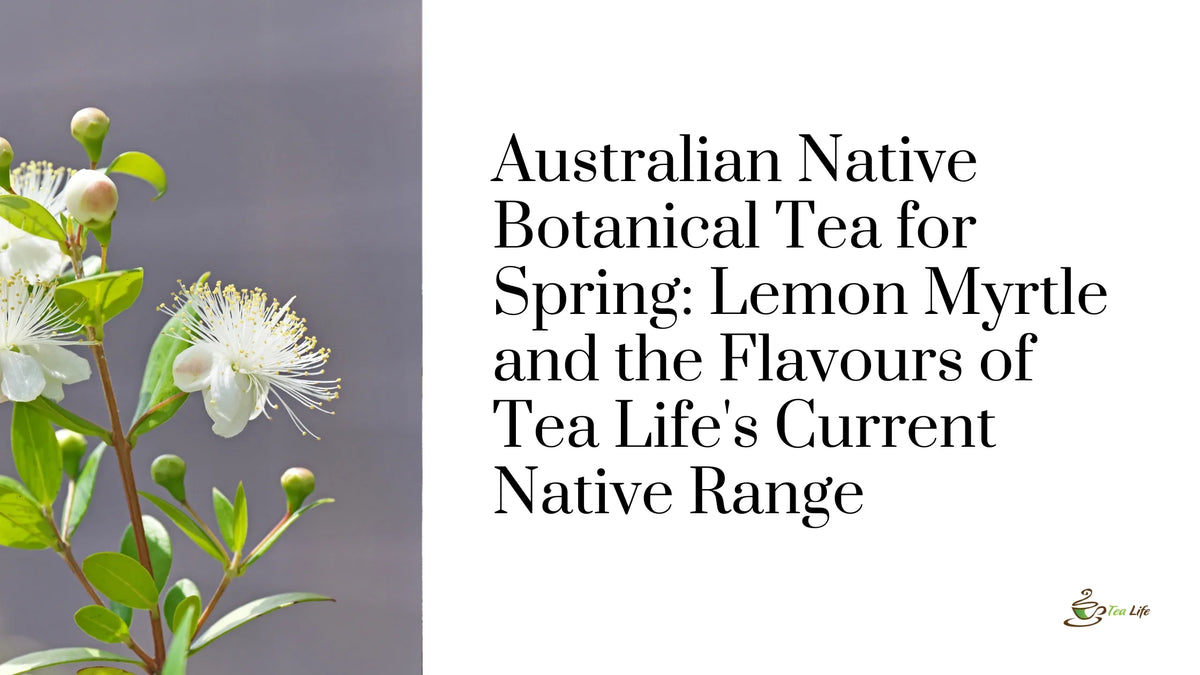
Tea Life's current Australian Native Tea collection includes both pure native botanical infusions and blends that combine native ingredients with traditional tea. Knowing the difference can help you choose a tea based on flavour, caffeine content and how you want to serve it.
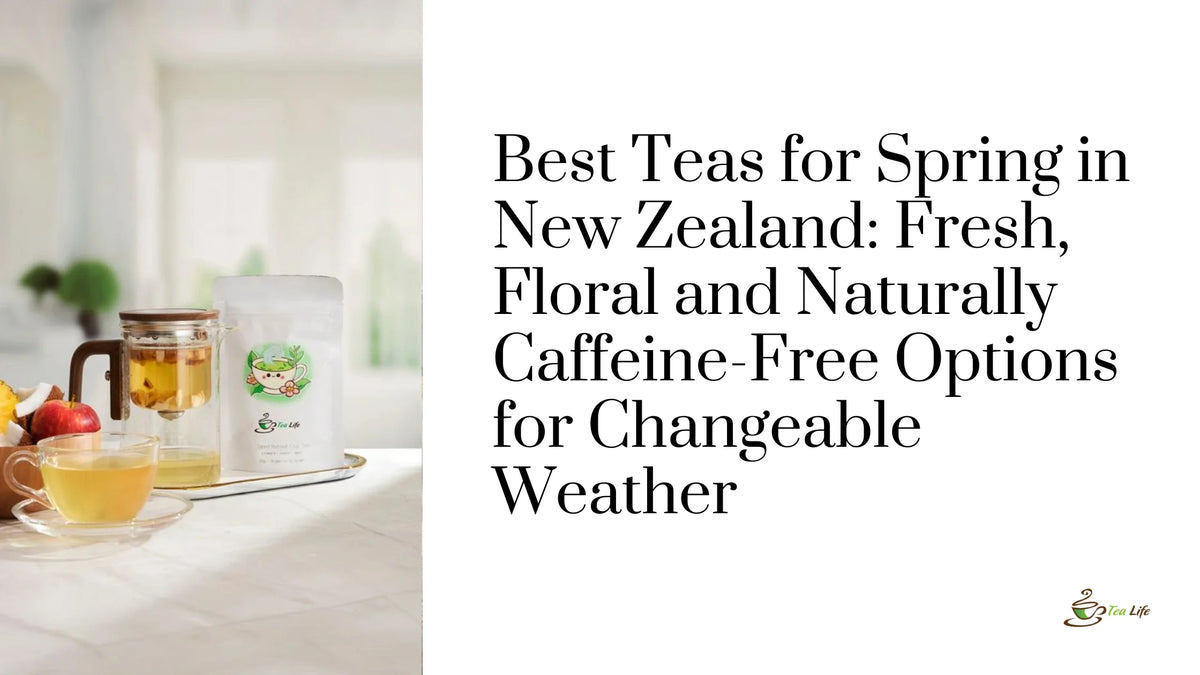
Spring in New Zealand can bring a mix of cool mornings, sunny afternoons, wind and sudden showers. A warm cup of tea may suit the start of the day, while an iced herbal infusion can be refreshing when the sun comes out. Keeping a few different teas in the cupboard makes it easy to choose something that fits the weather and your mood.

Spring in Australia is a good time to change the way you enjoy tea. As the weather becomes warmer, lighter fruit flavours, floral blends, citrus notes and naturally caffeine-free herbal infusions can offer an alternative to heavier cups.