
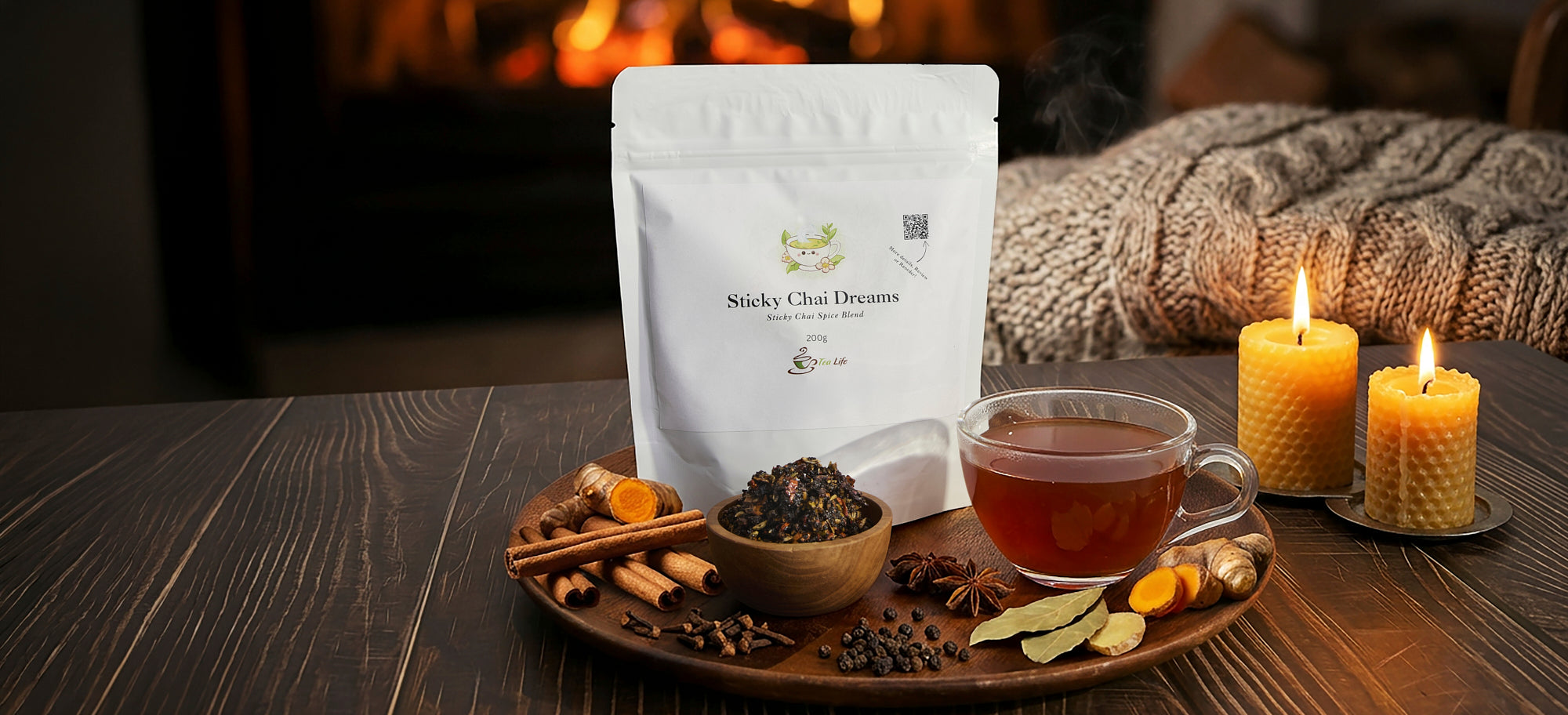
Winter Herbal Rituals for Stronger Seasonal Wellness
Winter in Australia means cooler mornings, shorter days, and more time inside with heaters running. That shift can leave your immune system, breathing and mood working a little harder than usual. Winter wellness tea is a simple daily habit that can help you stay warm, hydrated and grounded when the weather turns.
At Tea Life we focus on organic, wildcrafted and pesticide‑free loose leaf blends that fit this season: immune support, easier digestion, calmer sleep and less stress. As you move from light, cooling summer sips to richer cups, it makes sense to adjust what is in your mug too. This guide explains smart seasonal swaps, the herbs that shine in winter, how to brew them and easy rituals you can build at home.

Why Winter Wellness Tea Matters in Australia
Winter wellness tea is any herbal or classic tea blend you choose on purpose to support your body through the colder months. These blends often focus on immune function, respiratory comfort, circulation, digestion and sleep.
Australian winters can bring:
- Chilly mornings and evenings
- Sudden temperature changes from outdoor cold to indoor heating
- Drier air that can bother throats and nasal passages
- More time in close contact with other people and their germs
Herbs often used in winter include echinacea, elderberry, ginger, licorice and thyme. Current research suggests these kinds of herbs may support your body by easing some symptoms, offering comfort and keeping you drinking warm fluids. They are not cures, but they can be a gentle part of a winter wellness routine.
Winter Wellness Tea: Key Q&A
1. What makes a tea a “winter wellness tea”?
A winter wellness tea focuses on warmth, comfort and seasonal needs such as immune, throat, breathing, digestion or sleep support.
2. Is herbal tea enough to prevent colds and flu?
No. Herbal tea can support general wellbeing, but it is not a replacement for medical care, good hygiene, adequate sleep or any advice from your health professional.
3. How much herbal tea is usually safe to drink daily in winter?
Many people enjoy 2 to 4 cups a day. If you are pregnant, on medication, have a medical condition or are unsure about a specific herb, speak with a health professional first.
Smart Seasonal Swaps for Everyday Winter Sipping
When the weather cools, swapping your usual warm‑weather drinks for winter‑ready teas can influence how you feel during the season.
Simple Seasonal Swaps
1. Swap light iced green teas for spiced herbal blends with ginger, cinnamon or clove to create warmth and support circulation.
2. Swap fruity summer blends for vitamin C, rich and antioxidant‑focused blends with rosehip, hibiscus or elderberry for general immune support.
3. Swap strong afternoon coffee for calming herbal winter wellness tea such as chamomile, lemon balm or tulsi to reduce jitters and support more restful sleep.
Within the Tea Life range, you will find helpful groups like:
-
Immune and Cold Season Support: echinacea blends, elderberry mixes and immune tonics.
-
Respiratory and Throat Comfort: licorice root, marshmallow root, thyme, peppermint and eucalyptus‑style blends.
- Warming Digestive Support: ginger, fennel, lemon myrtle, dandelion and chai‑style blends.
Daily Winter Tea Choices: Q&A
1. Which tea is best to drink first thing on a cold winter morning?
A gently stimulating and warming blend such as ginger with lemon, or a classic black or green tea if you enjoy some caffeine.
2. What tea should I choose if I feel run down but not sick yet?
Many people choose blends that include echinacea, elderberry or olive leaf at this stage, alongside plenty of rest, nourishing food and adequate fluids.
3. Can I mix different herbal teas in one day?
Yes, many people rotate blends; for example, immune support in the morning and calming blends at night. If you have health conditions or take medication, seek personalised advice first.
Targeted Herbal Blends for Common Winter Concerns
1. Immune Resilience
For immune resilience, people often turn to herbs like:
- Echinacea
- Elderberry
- Olive leaf
- Astragalus
- Rosehip
These are traditionally used through cold and flu season, at the first sign of feeling flat or during very stressful weeks.
2. Coughs, Colds and Sore Throats
Soothing herbs include:
- Marshmallow root
- Slippery elm
- Licorice root
- Thyme
- Sage
- Peppermint
They are often used in combinations, for example:
1. Dry, scratchy throats: moistening herbs such as marshmallow root, slippery elm and licorice root.
2. Heavy, chesty feelings: thyme, sage and peppermint, along with the warmth of the tea itself.
Warm teas can help loosen mucus and keep you hydrated, which is useful when indoor heating dries the air.
3. Mood, Sleep and Winter Blues
For mood and sleep support, calming blends are popular. Common nighttime herbs include:
- Chamomile
- Lemon balm
- Passionflower
- Lavender
- Tulsi (holy basil)
- Skullcap
A regular evening ritual with a warm, caffeine‑free cup can help your body learn that it is time to slow down and rest.
Safety Notes
1. Some herbs are not suitable in pregnancy or with certain medications.
2. Licorice root may not suit people with blood pressure concerns or certain heart conditions.
3. Always read product descriptions and talk to a health professional if you are unsure whether a herb is appropriate for you.
How to Brew the Perfect Winter Wellness Tea
Brewing method matters if you want the most from your winter wellness tea.
General Brewing Tips by Type
1. Herbals and roots (e.g., ginger, licorice, echinacea):
- Use very hot water.
- Steep for about 10 to 15 minutes.
- For stronger flavour, some people gently simmer roots on the stove.
2. Leafy and floral blends (e.g., chamomile, peppermint, lemon balm):
- Use hot, not boiling, water.
- Steep for around 5 to 7 minutes so the flavour stays soft and pleasant.
3. Classic teas (black, green, chai):
- In winter you can brew slightly stronger.
- Chai can be prepared on the stovetop with milk or plant milk for extra comfort.
Step‑by‑step: Brewing Winter Wellness Tea
1. Measure 1 to 2 teaspoons of loose leaf per cup.
2. Heat fresh water, then pour it over the leaves.
3. Cover your cup or teapot to keep heat and aromatics in.
4. Steep for the recommended time for that blend.
5. Add lemon, honey or milk if that suits the blend and your taste.
Quick winter rules of thumb:
- Brew a little stronger than in summer.
- Drink tea warm rather than lukewarm.
- Sip regularly through the day to support hydration.
Brewing Q&A
1. How long should I steep winter wellness tea for best effect?
Roots and barks usually benefit from 10 to 15 minutes; leaves and flowers from about 5 to 7 minutes, unless your specific blend label suggests otherwise.
2. Is it better to drink herbal tea with or without food in winter?
Many people tolerate herbal teas well either way. If a tea feels strong on your stomach, drink it with or after food.
3. Can I re‑steep my loose leaf tea to save money?
Yes. Many blends can be re‑steeped. The second cup is usually lighter in flavour but still enjoyable.
Daily Winter Tea Rituals for Whole‑Body Support
Creating small tea rituals across the day keeps winter wellness simple and consistent.
1. Morning Energising Ritual
- Start with a warm, gently uplifting blend such as ginger with lemon myrtle or a classic green or black tea.
- Pair it with a few minutes of stretching or slow breathing to wake up circulation and lungs, especially on crisp Australian winter mornings.
2. Workday Immune and Stress Support
- Plan mid‑morning and afternoon breaks with an immune blend (for example, echinacea or elderberry-based teas) or stress‑supportive herbs such as tulsi and lemon balm.
- Regular warm drinks help keep mucous membranes moist, which can be soothing in heated offices and homes.
3. Evening Wind‑down Routine
- Switch to caffeine‑free blends like chamomile, passionflower and lavender at least an hour before bed.
- Make the preparation part of the ritual: slow down, watch the kettle, and breathe in the steam. Over time, this simple act can become a clear signal that your day is closing.
Winter Tea Habit: Q&A
1. How many cups of winter wellness tea should I drink per day?
Many people enjoy 2 to 4 cups spaced through the day. Your own needs, medical history and any health advice you follow should guide you.
2. When is the latest I should drink tea at night to avoid sleep disruption?
If you are sensitive to caffeine, stop caffeinated teas by early afternoon and keep herbal teas to at least one hour before bed.
3. Should I change my tea routine on milder winter days in Australia?
You can keep the same blends but brew them a little lighter or drink them slightly cooler. Adjust according to your comfort and the local weather.
Make Winter Your Healthiest Tea Season Yet
Aligning what is in your cup with the Australian winter season is a straightforward way to support immunity, breathing, digestion, mood and sleep. A few smart swaps from summer‑style teas to warming, functional blends can gently influence how you feel every day.
This is a useful time to review your tea shelf and choose two or three winter wellness swaps that match your main concerns. For example:
1. One morning blend for gentle energy and warmth.
2. One daytime immune or digestive blend.
3. One calming evening blend to support rest.
These simple choices can help you build small, soothing rituals with organic, wildcrafted and pesticide‑free loose leaf teas that suit the colder months in Australia.
Support Your Winter Wellness With Soothing Tea
As the weather cools, we’ve carefully blended our winter wellness tea to help you wind down, stay hydrated and support your immune system naturally. Explore our range to find a comforting cup that fits your daily routine and tastes. If you have any questions about ingredients or how to get the most from your brew, please contact us and we will be happy to help at Tea Life™.
Share:
Hibiscus Tea: Benefits, Taste, Uses & How to Brew This Vibrant Herbal Tea
Choosing Herbal Tea for Digestion and Winter Comfort in Australia