
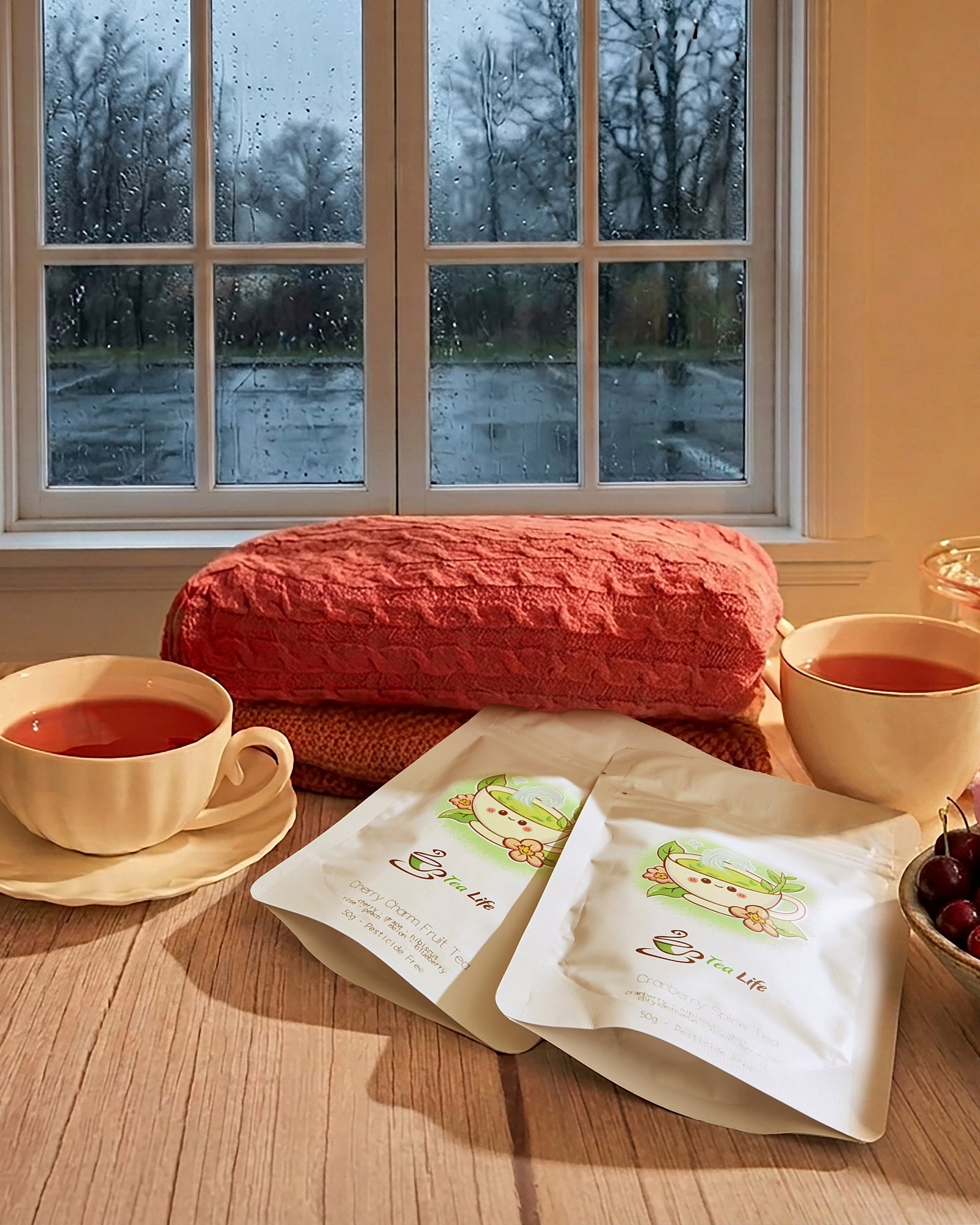
Herbal Tea Rituals for Calmer Digestion and Cosy Winters in Australia
Quick Overview: Best Winter Digestive Teas
-
Best Teas for Bloating: Peppermint, fennel, ginger, chamomile
-
Best Teas for Sluggish, Heavy Digestion: Ginger, fennel, gentle bitters, chai-style warming blends
-
Best Teas for Evening Calm and Digestion: Chamomile, peppermint, lemon balm, lavender
-
Best Teas for All-Day Winter Sipping: Caffeine-free blends with ginger, lemon, chamomile and mild spices
- Typical Daily Amount in Winter: Many people are comfortable with 2, 4 cups spread across the day (check with a health professional if you have any medical conditions or take medications).

What Makes a Herbal Tea Good for Digestion?
Q: What Is a Digestive Herbal Tea?
A:
A digestive herbal tea is any blend made with herbs traditionally used to support normal digestive comfort after eating. These teas are not a substitute for medical treatment, but they have long histories in many cultures as after‑meal drinks.
Q: Which Herbs Are Commonly Used for Digestion?
A:
Common digestive herbs include:
- Peppermint, often used to ease gas and a heavy feeling after meals
- Ginger, a warming spice many people drink for nausea and cold days
- Fennel Seed, a classic choice after big meals or rich food
- Chamomile, a gentle flower traditionally used for both digestion and relaxation
- Licorice Root, a naturally sweet root often used to soothe the throat and gut
Q: Which Herbal Teas Are Best for Bloating?
A:
Many people reach for Peppermint, Fennel, Ginger and Chamomile when they feel puffy or gassy. A blend combining two or three of these herbs is a popular choice as an after‑meal drink.
Q: Can Herbal Tea Really Help Digestion?
A:
Herbal tea is a gentle support, not a cure. Warm liquid, calming scents and the traditional actions of digestive herbs can all contribute to a more settled, comfortable feeling in the gut for many people.
Q: Is It Safe to Drink Herbal Digestive Tea Daily?
A:
Many people enjoy a few cups a day without issues. However, individual needs differ. If you are pregnant, breastfeeding, have a medical condition or take medication, seek advice from a qualified health professional before drinking strong or frequent herbal infusions.
Q: How Can I Quickly Choose a Herb for My Digestive Concern?
A:
Use this quick guide:
-
Peppermint: Fresh, cooling support for bloating; best after meals
-
Ginger: Warming; often used on cold days and with heavy foods; before or after meals
-
Fennel: Commonly used for gas and fullness; after lunch or dinner
-
Chamomile: Gentle and calming; lovely after dinner or before bed
- Licorice Root: Soothing and sweet; often used between meals or within blends
Q: When Should I Drink Digestive Herbal Tea?
A:
For most people, digestive herbal tea can be helpful:
- Before Meals, to gently wake up the stomach
- After Meals, to ease a sense of heaviness
- Before Bed, to wind down the body, when using caffeine‑free blends
Choosing Digestive Herbal Tea for Australian Winters
Cool Australian mornings, richer comfort meals and shorter days can all leave digestion feeling sluggish. In winter, many of us move less, eat more hearty food and spend more time indoors, so the gut can benefit from extra care. A digestive herbal tea can offer warm support while creating a small wellness ritual in your day.
Q: Best Digestive Herbal Tea for Cold Weather in Australia?
A:
In Australian winters, Warming Herbs and Spices are especially popular. These include:
- Ginger
- Cinnamon
- Cloves
- Cardamom
These herbs are often used to bring a sense of warmth and to pair well with richer winter foods.
Q: Which Teas Help After Big Winter Dinners?
A:
After large or heavy meals, many people choose blends with:
- Fennel
- Anise
- Lemon Peel
- Gentle Bitter Herbs (such as dandelion root in some blends)
A mix of Fennel, Peppermint and a Warming Spice is a common nightly ritual for comfortable digestion after dinner.
Q: Are Warming Spices Like Ginger and Cinnamon Good for Digestion?
A:
Ginger and cinnamon are frequently used in traditional digestive drinks. In tea form, they can feel comforting on cold days, and many people find them a useful companion to rich or heavy foods.
Q: How Can I Categorise Digestive Teas for Winter?
A:
You can think of digestive herbal teas in three broad groups:
- Warming Digestive Teas, blends with ginger, cinnamon, cardamom or chai‑style spices for cold nights
- Soothing Gut Calmers, lighter blends with chamomile, peppermint, lemon balm or gentle flowers for tight or stressed stomachs
- After‑dinner Blends, mixes with fennel, anise and sometimes mild bitter herbs, often sipped slowly after rich winter meals
Loose leaf tea is often preferred in winter for its fuller flavour and aroma. At Tea Life, loose leaf blends are packed fresh in Australia so you can clearly smell and taste the herbs as they open in hot water.
How to Brew Digestive Herbal Tea for Best Results
Q: How Do I Brew Herbal Tea for Digestion Properly?
A:
The key is sufficient Leaf, Time and Heat. Use enough herbs, freshly boiled water and a covered vessel so the aromatic oils stay in the cup.
Q: How Long Should I Steep Digestive Herbal Tea?
A:
A common guideline is 5 to 10 Minutes:
- Root and Seed Blends (e.g., ginger, fennel), closer to 8, 10 minutes
- Leaf and Flower Blends (e.g., peppermint, chamomile), around 5, 7 minutes
Q: Does Water Temperature Matter for Herbal Blends?
A:
Yes. Most digestive herbal teas are best prepared with Freshly Boiled Water, just off the boil (about 95, 100°C).
Q: What Are the Basic Steps to Brew Digestive Herbal Tea?
A:
Follow these simple steps:
- Measure 1, 2 teaspoons of loose leaf digestive herbal tea per cup
- Heat water to around 95, 100°C (freshly boiled, just off the boil)
- Steep for 5, 10 minutes, covering the cup or teapot to retain aromatic oils
- Strain and sip slowly, preferably without strong sweeteners so you can taste the natural flavours
Q: How Can I Adjust My Brew for Different Times of Day?
A:
Try these variations:
-
Stronger Infusions: Use a little more leaf and brew closer to 10 minutes for evening relaxation
-
Lighter Brews: Use less leaf and a shorter steep time for daytime hydration
- Winter Thermos: Brew a pot in the morning, strain well and fill a thermos so you have warm digestive tea ready for work, study or travel
How to Build a Winter Wellness Tea Routine in Australia
A simple winter tea routine can support both digestion and overall winter comfort. Regular tea breaks also create short pauses in the day where you step away from screens, breathe and reset.
Q: When Is the Best Time to Drink Herbal Tea for Digestion?
A:
Many people prefer:
- 20, 30 Minutes After Meals to support comfortable digestion
- Before Breakfast to gently prepare the stomach
- In the Evening to combine digestive comfort with relaxation, using caffeine‑free blends
Q: How Many Cups a Day Is Ideal in Winter?
A:
There is no single ideal number, but many adults feel comfortable with 2, 4 Cups Spread Across the Day, using caffeine‑free blends at night. People with health conditions, those pregnant or breastfeeding, and anyone taking medication should seek personalised advice first.
Q: Can I Combine Digestive Herbal Tea With Immunity Teas?
A:
Many gentle blends can be enjoyed in the same day. For example:
- A Digestive Cup After Meals
- A separate Winter Wellness or Immune‑focused Blend (such as echinacea, elderflower or vitamin C‑rich ingredients) at another time of day
If you take medication or have a medical condition, it is important to obtain health advice before combining multiple herbal blends.
Q: What Is a Simple Winter Tea Rhythm I Can Follow in Australia?
A:
You can use a three‑part daily rhythm:
-
Morning: Lemon, ginger or a mild bitter blend to wake up the gut and support a gentle start
-
Afternoon: Spiced herbal chai or circulation‑focused blends to keep you warm and focused without extra heaviness
- Evening: Chamomile, peppermint, lemon balm, lavender or other relaxing herbs to calm digestion and prepare for sleep
Q: What Practical Habits Support Winter Wellness with Tea?
A:
Consider:
- Pairing digestive teas with Lighter Dinners several nights a week
- Treating tea breaks as Short, Screen‑free Pauses to check in with your body
- Rotating blends so some cups focus on Gut Comfort and others on Winter Resilience, Warmth and Hydration
Product Categories: Selecting the Right Tea Life Blends
To make product choices easier, it helps to match Tea Life blends to your main winter concern.
Q: How Can I Categorise Tea Life’s Digestive and Winter Wellness Teas?
A:
Think in terms of clear categories:
1. Bloating & Post‑Meal Comfort Blends
- Focus herbs: Peppermint, Fennel, Ginger, Chamomile
- Typical use: After lunch or dinner, especially after heavier meals
2. Warming Winter Digestive & Chai Blends
- Focus herbs: Ginger, Cinnamon, Cardamom, Cloves
- Typical use: Cold mornings and evenings, or alongside rich comfort foods
3. Soothing Gut & Stress‑Related Tension Blends
- Focus herbs: Chamomile, Lemon Balm, Soft Flowers Such as Lavender
- Typical use: When digestion feels tight or linked to stress, especially at night
4. Bitter & Sluggish Digestion Support Blends
-
Focus herbs: Gentle Bitter Roots and Peels (for example, dandelion root in some formulas), plus citrus peel
-
Typical use: When you feel heavy or sluggish after rich food
5. General Winter Wellness & Immune‑Supportive Blends
- Focus herbs (will vary by blend): Echinacea, Elderflower, Rosehip, Ginger, Lemon, Hibiscus
- Typical use: Daily winter sipping to support overall wellness alongside a balanced diet and healthy lifestyle
Q: How Do I Choose the Right Tea Life Digestive Blend for me?
A:
Start by identifying your main concern:
-
Bloating After Meals: Look for blends with peppermint, fennel or ginger
-
Cramps or Stress‑related Belly Tension: Choose chamomile, lemon balm and gentle flowers
-
Sluggishness After Heavy Food: Select blends with gentle bitters or warming spices
- Evening Relaxation and Sleep Support: Focus on caffeine‑free chamomile, peppermint and calming floral blends
Q: Which Herbal Teas to Avoid During Pregnancy or With Medication?
A:
Pregnancy, breastfeeding and certain medications can change how herbs should be used. Always:
- Read labels carefully
- Avoid large quantities of strong herbal infusions without guidance
- Speak with Your Doctor, Pharmacist or Qualified Health Professional before trying new herbal blends in these situations
Q: What Should I Look for on the Label When Buying Digestive Herbal Tea Online in Australia?
A:
Check for:
- Clear Ingredient Lists (including specific herbs and any flavours)
- Caffeine Content (especially for evening use)
- Brewing Directions (dose, time, water temperature)
- Usage Notes or Cautions (e.g., pregnancy or medication warnings)
- Sourcing Details, such as organic, wildcrafted or pesticide‑free ingredients
Expert Tips for Choosing Digestive Teas for Winter Use
A:
When you choose digestive herbal tea:
- Match herbs to your Primary Concern (bloating, cramps, sluggishness, stress)
- Choose Caffeine‑free Blends for evenings to avoid affecting sleep
- Favour Organic, Wildcrafted and Pesticide‑free blends for regular sipping
From there, you can:
- Start with One or Two Targeted Digestive Teas for winter
- Build a small Tea Library at home with options for morning, afternoon and evening
- Use Tea Life’s Product Descriptions and Categories to support safe, informed choices, and always seek health advice for ongoing or serious digestive issues.
By using structured, purposeful tea rituals, Australians can make herbal tea a credible part of their winter wellness routine, supporting digestion, warmth and daily balance alongside professional healthcare when needed.
Soothe Your Digestion Naturally With Targeted Herbal Blends
If you are ready to support your gut with a gentle, everyday ritual, our curated range of digestive herbal tea is a simple place to start. At Tea Life™ we carefully select ingredients traditionally used to ease discomfort and help you feel lighter after meals. Explore the blends that best fit your needs or contact us if you would like a hand choosing the right option. Sip consistently and notice how small changes can make a real difference to your daily comfort.
Share:
Seasonal Herbal Tea Swaps for Australian Winter Wellness
Winter Rituals Begin: Save 15% on Matcha, Herbal & Wellness Teas