
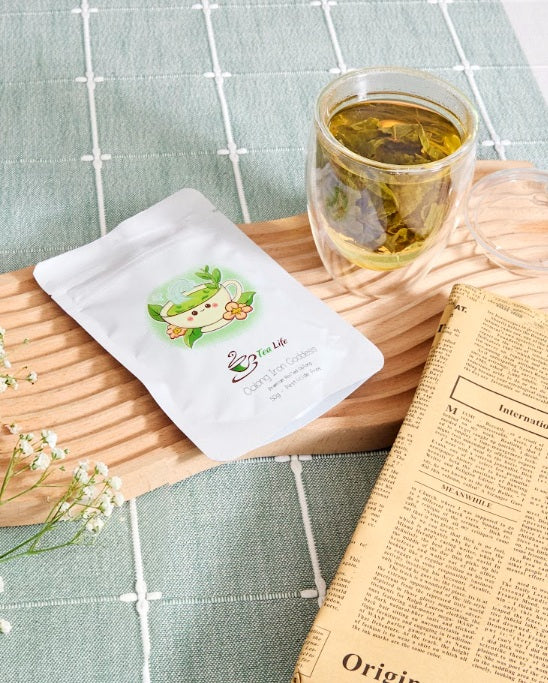
Unlocking the Smooth Side of Green Tea
Green tea should taste clean, soft, and slightly sweet, not like you are chewing on a lemon peel. If you have ever bought what was labelled as premium green tea and ended up with a harsh, drying cup, the problem usually is not the tea itself; it is how it is brewed. With a few simple adjustments, green tea can be one of the most soothing, refreshing drinks in your cupboard.
In this guide, we will walk through why green tea often turns bitter, how to fix it with temperature and timing, and how tea quality comes into play. As an Australian online specialist in loose leaf teas, wellness blends and herbal tea, we at Tea Life pack our teas fresh in eco-friendly bags to help protect their natural flavour. By the end, you will know how to brew a gentle, sweet cup and how to choose green teas that are naturally smooth and beginner-friendly.
Why Green Tea Turns Bitter (and How to Prevent It)
Bitterness in green tea usually starts with water that is too hot. Green tea leaves are more delicate than black tea, so boiling water can effectively burn them. This shock releases large amounts of tannins, which are the compounds that make your mouth feel dry and your tea taste sharp. When the water is a little cooler, those same leaves tend to release more sweetness and umami instead of harshness.
Steeping time and leaf quantity are the next big factors. If green tea sits too long in the pot, or you cram in far more leaf than you need, the cup quickly becomes overpowering. A good general guide is to start light and short, then adjust from there. Many greens do well with about 1 teaspoon of leaf per cup of water, steeped for 1 to 3 minutes, depending on style and strength preference.
Tea leaf quality and freshness also matter a lot. Low-grade dust and fannings, often found in cheap supermarket bags, have far more broken surfaces. This means they release tannins quickly, which can make them harsher and more one-dimensional in the cup. Whole loose leaves, especially when they are freshly packed like the teas we prepare at Tea Life, tend to give you a rounder, smoother flavour with more sweetness.
Water quality is the final quiet player. Very hard tap water or heavily chlorinated water can flatten the natural sweetness of green tea and push the bitter notes forward. If your tap water tastes a bit metallic or strongly of chlorine, it is worth trying filtered or good quality spring water to see the difference in your cup.
Simple Brewing Techniques for a Softer, Sweeter Cup
You do not need a fancy kettle with temperature settings to brew green tea well. If your water has just boiled, simply let the kettle sit off the heat for a few minutes before pouring. In many kitchens, 3 to 5 minutes of cooling brings the water down to a friendlier range for green tea, usually somewhere between hot and warm, hot but not fiercely steaming.
For loose leaf green tea, a simple method works beautifully:
- Use about 1 teaspoon of leaf per 250 ml cup of water
- Let freshly boiled water cool for a few minutes
- Steep Japanese greens for about 1 to 2 minutes
- Steep Chinese greens for about 2 to 3 minutes
- Taste, then adjust a little next time if needed
Japanese steamed green teas often brew quite quickly, and their flavours can get intense fast, so shorter times help keep them pleasant. Chinese pan fired greens are often a touch more forgiving, with toasty or nutty notes that can handle a slightly longer steep. Many green teas also taste wonderful on a second infusion, so you can gently add a little more hot water to the same leaves and steep again for a slightly shorter time.
If your tea is still too bitter, change one thing at a time. First, shorten the steep by 30 seconds. If it is still sharp, let the water cool a bit more next time. If the tea tastes too weak or watery, increase the leaf slightly rather than stretching the steeping time a lot. If the tea seems flat, check that you are using enough leaf and that your water tastes clean and fresh by itself.
You do not need special gear to make this work. A teapot with a strainer, an infuser basket that fits into your favourite mug, or a simple cup with a reusable infuser all do the job. Even more traditional gaiwan-style brewing can be done with any small lidded cup. The key is to give the leaves room to open up and to pour the tea out fully once the time is up so it does not keep steeping.
Choosing Green Tea Grades That Brew Smoothly
The grade and style of green tea you choose will also affect how easy it is to avoid bitterness. Whole leaf teas usually offer a smoother experience because the leaves unfurl gradually, releasing flavour more gently. Broken leaves and dust release flavour and tannins quickly, which can lead to a more aggressive cup if you are not very careful with time.
Leaf shape gives some hints too. Needle-like leaves and tiny flat leaves tend to infuse quite fast and can be strong if over-brewed. Twisted or lightly rolled leaves usually unfurl more slowly, which often makes them a bit more forgiving. Japanese steamed greens are typically bright, grassy and full of umami, and they can become strong quickly if the water is too hot. Chinese pan fired greens, on the other hand, are often softer, with toasty or nutty notes that many people find easier to enjoy when they are new to green tea.
There are simple signs of quality you can spot at home:
- Vibrant, living colour in the dry leaves
- Mostly intact leaves rather than lots of dust at the bottom of the bag
- A clean vegetal, floral or nutty aroma, not a dull, stale smell
- A clear, bright liquor once brewed, not cloudy or murky
These clues usually point towards a smoother, less bitter cup. Premium does not always mean expensive, especially with loose leaf. Often, good quality loose green tea from a specialist costs less per cup than many supermarket bags, and the flavour difference can be surprisingly big.
Tea Life’s Smooth Green Tea and Herbal Tea Favourites
At Tea Life, here in Australia, we focus on loose leaf teas and herbal tea blends that are full of natural character without harsh edges. Many people who are sensitive to bitterness enjoy starting with softer Chinese green teas, which tend to have gentle, toasty or slightly sweet notes. Balanced Japanese styles can also be very rewarding when brewed at cooler temperatures and shorter times, offering deep umami and fresh green flavours without the bite.
Blended teas can be a lovely bridge if you are still getting used to the taste of pure green tea. Green tea combined with herbal tea ingredients like peppermint or spearmint can feel cooling and refreshing while smoothing any remaining sharpness. Chamomile or jasmine flowers add floral softness, while lemongrass can lift the cup with light citrus notes that balance the green base. These blends still give you the freshness of green tea, just wrapped in more familiar flavours.
We pack our teas in fresh, small batches in eco-friendly bags, which helps protect the leaves from moisture, light and air. This matters a lot for green tea, because it keeps the flavour closer to how it tasted when it left the tea garden, with more sweetness and less staleness. If you are shifting from strong black tea, you might like to start with milder greens, sampler packs, or even add a touch of honey or a slice of lemon while your palate adjusts.
Brew with Confidence and Enjoy Green Tea Again
The key idea to remember is that bitterness is usually a brewing mistake, not something you just have to accept with green tea. With slightly cooler water, shorter steeps and fresh, good quality leaves, you can completely change your experience in the cup.
Try adjusting one variable at a time so you can clearly taste what changes. As you play with temperature, timing and leaf quantity, you will find your own sweet spot for flavour and strength. With the right green tea and herbal tea blends, plus the simple techniques in this guide, you can brew with confidence and rediscover how smooth, soothing and enjoyable green tea can truly be.
Discover Herbal Blends That Support Your Everyday Wellbeing
If you are ready to explore soothing, delicious brews, our curated range of herbal tea is a simple way to support your daily wellness routine. At Tea Life™ we carefully select quality ingredients so you can enjoy a better cuppa with confidence. If you have any questions about which blend is right for you, just contact us and we will be happy to help.
Share:
Chamomile Tea for Restful Sleep and a Calmer Night
The Ultimate Guide to Detox Teas That Work and Taste Amazing