
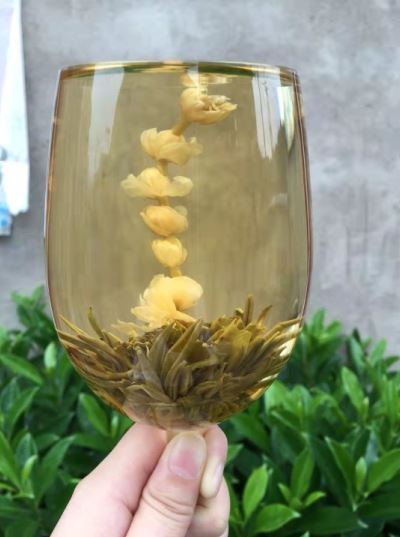
Soothe Winter Inflammation With Every Cup
Cold Australian winters can make everyday aches feel more noticeable. Heaters go on, we move less, colds and flus circulate, and joints, throats and sinuses may feel more uncomfortable. That lingering stiffness or sore throat is often linked to inflammation, the body’s natural response to physical or immune stress.
When we refer to “winter inflammation,” we mean symptoms such as:
- Achy joints
- Tight or sore muscles
- Sore or scratchy throat
- Sinus irritation or congestion
- Lingering post-viral heaviness and fatigue
Food choices, stress, sleep, and movement all influence inflammation. Herbal anti-inflammatory tea will not replace medical care, but it can be a gentle, daily way to support your body while you work on broader lifestyle habits.
At Tea Life, we focus on wellness-driven loose leaf blends that fit easily into everyday routines. This guide explains what inflammation is, why winter can make it feel worse, which herbs are commonly used for comfort, how to brew them, and how to build a simple winter wellness routine around your cup.
What Is Inflammation and Why Is It Worse in Winter

Q: What exactly is inflammation?
A: Inflammation is the body’s natural response to injury, irritation, or infection.
Key points:
- It is a protective immune response.
- It can be short-term (acute) or long-term (chronic).
- It often involves redness, warmth, swelling, pain, and reduced movement in the affected area.
There are two main types of inflammation:
- Acute Inflammation, short term, such as a swollen ankle after a sprain or a sore throat with a cold.
- Chronic Inflammation, longer lasting, often lower level and more widespread.
The inflammatory response helps the body heal and defend itself. However, when it persists or flares frequently, it can contribute to ongoing discomfort.
Q: Why can inflammation feel worse in winter?
A: Several winter-specific factors can make inflammatory symptoms more noticeable, especially in the cooler Australian months:
- Colder air can influence blood flow, so joints may feel stiffer.
- We often move less and sit more, which can strain muscles and joints.
- More colds and flus can mean more sore throats and sinus irritation.
- Heavier winter eating can be more difficult to digest for some people.
Common winter complaints in Australia include:
- Arthritic flare-ups
- Sore or irritated throats
- Blocked or irritated sinuses
- Lingering body aches after viral illnesses
Q: Can lifestyle changes really help with inflammation?
A: Yes. Gentle, consistent lifestyle habits can support how the body manages inflammation.
Helpful strategies include:
- Eating mostly whole foods, with a focus on colourful fruits and vegetables
- Regular, light movement such as walking, stretching or yoga
- Making sleep quality and duration a priority
- Staying well hydrated throughout the day
- Using techniques to reduce or manage stress (e.g., breathing exercises, mindfulness)
Herbal anti-inflammatory tea can fit neatly into this picture. It is warm, hydrating, and can deliver calming or soothing herbs with very little effort.
How Anti-Inflammatory Tea Supports Winter Wellness
Q: What is anti-inflammatory tea?
A: Anti-inflammatory tea is typically a blend of herbs and botanicals traditionally used to support the body’s response to inflammatory discomfort.
These blends may:
- Soothe irritated tissues, such as the throat and upper airways
- Support circulation and a sense of internal warmth
- Provide plant compounds like antioxidants and polyphenols
Scientific research into many herbs is ongoing, and much of what is known also comes from long histories of traditional use. Anti-inflammatory teas should not be viewed as cures, but as supportive wellness tools alongside medical care where needed.
Q: How can anti-inflammatory tea help in winter?
A: People commonly seek the following benefits from anti-inflammatory teas in winter:
- Warmth, which can make stiff joints and tight muscles feel more comfortable.
- Hydration, which supports joint lubrication and helps keep mucous membranes moist.
- Herbal Plant Compounds, which may help the body manage inflammatory processes.
- A Calming Ritual, which can ease stress that may otherwise contribute to discomfort.
Q: How often should I drink anti-inflammatory tea in winter?
A: Many adults enjoy 1 to 3 cups spread across the day. For example:
- Morning: a spicy, warming blend to start the day
- Daytime: a throat or sinus comfort tea
- Evening: a gentle, caffeine-free blend to support relaxation
If you are pregnant, breastfeeding, taking medication or living with a long-term health condition, speak with a qualified health professional before adding new herbal teas. Targeted blends that combine several supportive herbs can be more tailored to winter needs than single-herb options.
Which Herbal Teas Are Best For Winter Inflammation
Q: What herbs should I look for in an anti-inflammatory tea?
A: Common herbs and botanicals used in anti-inflammatory and winter wellness teas include:
- Turmeric, rich in curcumin; traditionally used for joint and general inflammatory discomfort.
- Ginger, warming and circulation-supporting; often used for digestion and nausea.
- Chamomile, gentle and soothing; often chosen for digestion support and mild tension.
- Peppermint and Spearmint, cooling yet clearing; popular for sinus and digestion support.
- Licorice Root, known for its natural sweetness and throat soothing qualities; individuals with high blood pressure are usually advised to use it cautiously and under professional guidance.
- Green Tea, a source of catechins and other antioxidants.
- Rosehip and Hibiscus, often chosen for their tangy flavour and natural vitamin C content.
Q: How does Tea Life categorise winter-friendly teas?
A: At Tea Life, winter wellness teas can be grouped by primary purpose:
- Joint and Muscular Support Teas, often with turmeric, ginger and other warming spices.
- Immune and Winter Defence Teas, commonly featuring herbs such as elderberry, echinacea, lemon and rosehip.
- Throat and Respiratory Comfort Teas, with soothing herbs such as licorice, marshmallow root and peppermint.
- Sleep and Relaxation Teas, with calming plants like chamomile, passionflower and lavender.
These categories can help you quickly identify blends aligned with your main winter concern.
Q: Are there Australian-grown or locally relevant options?
A: Yes. Many tea drinkers in Australia value locally grown herbs and native plants in their winter wellness routines. Examples include:
- Lemon Myrtle, a fragrant Australian native, often used for its fresh citrus aroma.
- Eucalyptus-Style Blends, can provide a characteristically Australian profile in winter teas.
- Australian-Grown Chamomile or Peppermint, may be included in some local blends.
Loose leaf teas that are freshly packed and stored correctly tend to retain aroma and flavour better, which is important when you are using them regularly for wellness. Eco-friendly packaging is another way to support both personal health choices and environmental considerations.
How To Brew Tea And Build A Winter Routine
Q: How do I brew herbal anti-inflammatory tea properly?
A: For most herbal blends, follow these basic steps:
- Use 1 to 2 teaspoons of loose leaf tea per 250 ml of freshly boiled water.
- Cover your cup or teapot while it steeps to retain the aromatic oils.
- Steep herbal blends for 5 to 10 minutes, then taste and adjust steeping time to your preference.
- Strain and sip the tea warm rather than extremely hot.
For green tea, use slightly cooler water (around 70, 80°C) and a shorter brew time (about 2 to 3 minutes) to reduce bitterness and preserve delicate compounds.
Q: Can I add milk, honey or lemon?
A: Many people customise their winter teas with simple additions:
- Milk, usually best with stronger spice-based blends; generally not recommended with delicate green teas.
- Honey, often enjoyed for throat comfort and mild sweetness; avoid giving honey to children under 1 year of age.
- Lemon, brightens flavour and is well suited to immune or digestion blends.
- Plant Milks or No Sweetener, good options if you are limiting sugar or dairy.
Q: How can I build a simple winter tea routine?
A: A consistent daily structure can make winter wellness easier to maintain. For example:
- Morning: green or ginger-based anti-inflammatory tea for gentle energy and warmth.
- Afternoon: a digestion-friendly blend to support heavier winter meals.
- Evening: a caffeine-free calming tea that supports rest and relaxation.
Keeping these tea breaks at similar times each day can support steady hydration and more regular herbal intake.
Creating Your Winter Wellness Plan Around Tea
Q: How can I combine tea with other natural strategies for inflammation?
A: Tea can be a practical anchor for broader winter wellness habits. You can:
- Enjoy an anti-inflammatory tea alongside mostly whole foods (vegetables, whole grains, healthy fats).
- Drink a warm cup after light stretching or a short walk to support circulation.
- Use your evening tea as a cue to dim lights, reduce screen time and prepare for sleep.
Q: What does a sample winter day of tea and wellness look like?
A: Here is an example of a simple winter wellness schedule that many Australians could adapt:
- Breakfast: a cup of green or turmeric, ginger tea with a balanced meal.
- Mid-Morning: an immune support blend at your desk or kitchen bench.
- Mid-Afternoon: a digestive or circulation-focused blend to break up long sitting periods.
- Evening: a sleep and relaxation tea after dinner, finishing your last cup 1 to 2 hours before bed.
Q: How do I choose the right Tea Life blends for my needs?
A: Start by matching blends to your main winter concerns:
- For Joint and Muscular Aches: look for blends based around turmeric, ginger and other warming spices.
- For Winter Colds and Flus: choose from immune and respiratory support collections.
- For Stress-related Flare-ups: consider calming teas with gentle nervine herbs such as chamomile and passionflower.
Beginning with a small selection that addresses your primary concern keeps your routine simple and sustainable. If your symptoms are severe, new, or ongoing, consult a qualified health professional to determine how herbal tea can best fit into your overall care plan.
As an Australian tea company focused on wellness and premium loose leaf quality, Tea Life aims to help people turn a basic winter habit into a supportive wellness ritual. With a couple of targeted anti-inflammatory teas, consistent brewing, and a few kind daily habits, your winter cup can become a warm, steady way to support your body from the inside out during the Australian winter season.
Support Your Body With Natural Anti-Inflammatory Tea Today
If you are ready to ease discomfort and nurture your wellbeing, explore our curated range of anti-inflammatory tea blends crafted by Tea Life™. Each blend is thoughtfully selected to help support a calmer, more comfortable body as part of your daily routine. If you are unsure where to start or have specific health goals, you can contact us and we will help you choose a tea that suits your needs.
Share:
What Makes a Tea a True Winter Wellness Tea in Australia
Common Winter Herbal Tea Mistakes That Weaken Wellness Benefits