
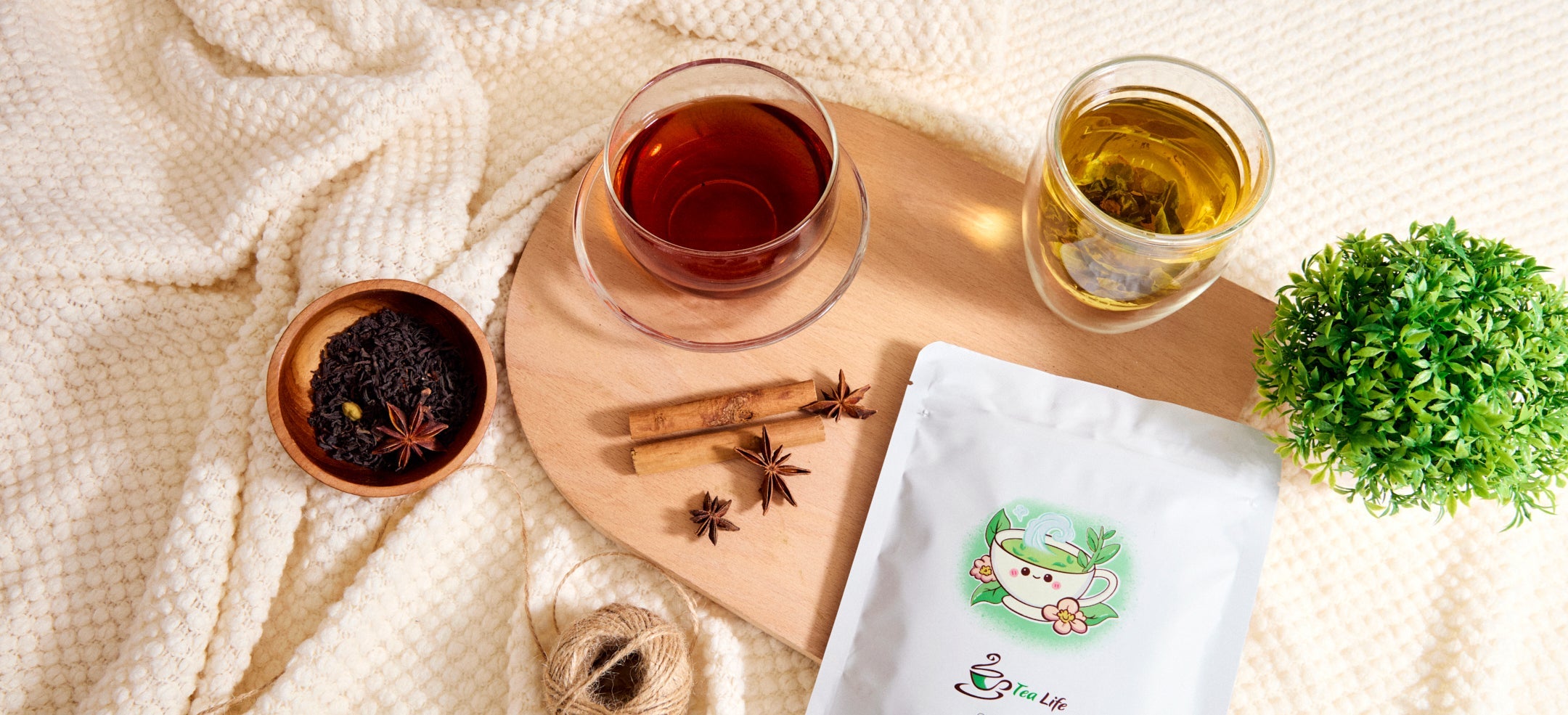
Australian autumn evenings are made for a calming bedtime tea. As the air cools in April and the light fades earlier, a warm cup can gently tell your body that the busy part of the day is over. When you choose the right herbs for what is keeping you awake, that simple cup starts to feel like real support, not just a habit.
In this guide, you will learn how to match different teas to three common sleep troubles: feeling wired and stressed, feeling too full after dinner, or feeling too hot or cold in bed. You will also explore some beautiful Australian botanicals, then walk through a simple 7-night rotation plan so you can see what actually helps you unwind. Think of it as a friendly experiment with your kettle, especially as the evenings turn cooler across Australia.
Why a Bedtime Tea Ritual Helps You Unwind
A bedtime tea ritual is less about the drink and more about the message it sends. When you slow down to boil the kettle, scoop the leaves and wait for them to steep, you are sending your body a clear signal: the day is wrapping up now. That is especially comforting as autumn nights draw in around Australia and you reach for a cosy evening cuppa.
A calming bedtime tea may gently support you in a few ways:
- Help you feel more relaxed
- Take the edge off a busy mind
- Soothe a tired tummy after dinner
- Help you feel more settled before you lie down
There is also the comfort of the senses. The warmth of the mug in your hands, the steam on your face, the soft smell of herbs, the slow sips instead of fast scrolling on your phone. Even ten quiet minutes with a cup can feel like a little reset before bed.
You can carry the same ritual through the year. In the cooler months, a steaming herbal blend feels like a snug blanket in a cup. In the warmer Australian evenings, a lightly cooled or iced herbal tea can become a gentle night-time wind-down that still fits our long, balmy nights.
Match Your Tea to Your Sleep Issue
Not all calming bedtime teas need to be the same. You can build your own mix based on what tends to keep you up.
Calm a Busy Mind and Stress
Herbs that are traditionally enjoyed for relaxation include:
- Chamomile
- Passionflower
- Lavender
-
Lemon balm
These usually taste soft and gentle. Think floral, slightly sweet, sometimes with a light apple note from chamomile and a whisper of citrus from lemon balm. They suit slow sipping and quiet evenings.
A few tips:
- Drink your calming blend about 30 to 60 minutes before bed
- Steep for 5 to 10 minutes so the flavour has time to open up
- Keep lights low, put on soft music, or jot down a few thoughts in a journal while it brews
Settle Digestion After a Big Dinner
If you tend to go to bed feeling heavy, a warm, caffeine-free tea after dinner can feel very comforting. Herbs often enjoyed after meals include:
- Peppermint or spearmint
- Fennel
- Ginger
-
Liquorice root
Peppermint and spearmint feel bright and refreshing. Fennel is gentle and slightly sweet. Ginger adds a pleasant, cosy heat. You can try autumn-friendly pairings like peppermint with chamomile, or ginger with lemongrass for a fresh but warming cup.
This kind of after-dinner brew may support healthy digestion and help you ease out of the busy part of the day. It is a lovely habit to build after a hearty roast or a takeaway night.
Balance Your Temperature at Night
Some people overheat in bed, others cannot get warm. A thoughtful tea choice can become part of how you balance that.
If you run hot, you might like:
- Spearmint
- Lemongrass
- Hibiscus
- A light green tea, taken earlier in the evening
These taste light, crisp and refreshing. For hot sleepers, you can drink them warm or let the cup cool a little. In the warmer parts of Australia or on those lingering late-summer evenings, you could even pour them over ice for a gentle night-time cooler.
If you feel the chill, look for cosy ingredients such as:
- Cinnamon
- Ginger
- Rooibos
- Cacao shells
These bring a sense of warmth and snug comfort, perfect for cooler autumn and winter nights when you can almost feel the change in the air.
You can also adjust the feel of your brew by:
- Using hotter water and a slightly longer steep for stronger, warming blends
- Letting the tea cool a bit and using a lighter steep for a softer, cooler feel
Australian Botanicals for Dreamy Night Sips
Australia has beautiful native botanicals that work so well in a night-time cup. You might like to explore herbs such as:
- Lemon myrtle, with bright, clean citrus notes
- Aniseed myrtle, gentle and naturally sweet
- Wattleseed, toasty with a hint of chocolate and coffee
- Native mint, refreshing and aromatic
Lemon myrtle is often enjoyed for its uplifting aroma, which still feels soft enough for evening. Aniseed myrtle can round out blends that might otherwise feel too sharp. Wattleseed gives depth and a cosy mood, great when the nights get chilly. Native mint adds a distinctly Australian bushland note, like bringing a little of the outdoors into your evening cup.
To weave the bush into your bedtime ritual, you could:
- Step onto the balcony or into the yard for a few sips and listen for night sounds
- Take a few deep, slow breaths between mouthfuls
- Add a quick stretch or a short gratitude moment before you finish your cup
In cooler months, richer blends with wattleseed, cinnamon, rooibos and cacao shells feel lovely and grounding. When the warmer seasons roll back around, lighter lemon myrtle and mint tisanes, even chilled, can make a gentle cool-down drink before bed.
You can enjoy these Australian natives simply on their own, or blended with more familiar herbs like chamomile and peppermint. Many of these ingredients are locally sourced, so your night-time cuppa can also connect you with Australian growers and bushland flavours.
A 7-night Bedtime Tea Rotation Plan
A simple rotation helps you figure out what your body responds to. You try a different focus each night, then notice how you feel. Some people like to keep a small sleep diary. You could jot down: what you drank, how you felt before bed, and how your night’s rest seemed the next morning. There are no strict rules here, just gentle curiosity.
Sample 7-night plan:
- Night 1, Stress Soother: Chamomile, passionflower and lemon balm blend, 45 minutes before bed, with screens off and soft light.
- Night 2, Digestive Comfort: Peppermint, fennel and ginger after dinner, especially if you had a heavier meal.
- Night 3, Cosy Warmer: Rooibos with cinnamon and wattleseed, ideal on a cool, windy evening.
- Night 4, Cool and Clear: Light blend of mint and lemon myrtle, great if you heat up at night or live in a warmer part of Australia.
- Night 5, Immune-Friendly Night Cup: Gentle mix with rosehip, echinacea or elderflower, traditionally sipped as the weather starts to shift to support natural defences.
- Night 6, Gentle Cleansing Brew: Dandelion root, nettle or a light detox-style blend, enjoyed earlier in the evening as part of your body’s natural cleansing rhythm.
- Night 7, Choose Your Favourite: Go back to the blend that made you feel the most settled and repeat the full ritual.
You can also play with textures:
- Turn warming blends into bedtime lattes with frothed dairy or plant milk, a drizzle of honey and a light dusting of cinnamon
- Serve cooling blends at room temperature or lightly chilled on warmer nights
- Mix and match single herbs and blends to build your own rotation
Most of the herbs listed are easy to find as loose leaves, which makes custom cups simple. Enjoy treating this week as your chance to experiment and notice what feels best for your body.
How to Brew the Perfect Calming Bedtime Tea
Good brewing makes a big difference to flavour. A few basics:
- Use fresh, filtered water
- Bring water just off the boil for herbal teas
- Use one heaped teaspoon of loose leaf per cup
- Cover the cup while it steeps to hold in the aromatics
- Steep 5 to 10 minutes, then adjust next time if you want it stronger or softer
Let the sound of the kettle be the start of your wind down. When it clicks off, you can put your phone away, dim the lights, maybe put on a quiet playlist. Pair your calming bedtime tea with a chapter of a book, a few gentle stretches, or a slow chat with someone you love. It does not need to be perfect or long. Even five mindful minutes can feel special.
If you are sensitive to caffeine, save stronger caffeinated teas for daytime and stay with herbal blends in the 1 to 2 hours before sleep. If you work shifts, you can use all the same ideas, just move the timing so your “night” cup happens before your main sleep, whenever that is.
As the seasons change, from crisp autumn evenings and cooler winter nights to the softer air of spring and the warm stretch of an Australian summer, you can keep adapting your bedtime tea. Choose richer, spiced blends when you are reaching for the extra blanket, and lighter, citrusy or minty cups when the nights are muggy.
At Tea Life, we focus on organic, wildcrafted and pesticide-free loose leaf teas that fit easily into this kind of evening ritual. From single herbs to Australian native blends and cosy autumn cups, there is a lot to explore.
If you are ready to start your own 7-night bedtime tea rotation, you can choose the blends that catch your eye. Explore our full range of herbal teas and Australian native botanicals, and build a small collection that truly fits you, one calming bedtime tea at a time.
Unwind Tonight With Naturally Calming Bedtime Support
If you are ready to create a gentler wind-down routine, our carefully blended calming bedtime tea can help you drift into a more peaceful sleep. At Tea Life™ we focus on quality ingredients so your nightly cup feels comforting, not overwhelming. Explore the blend that suits your evening rhythm, and if you have any questions about ingredients or preparation, simply contact us.
Share:
Choosing Caffeine-Free Herbal Tea for Calmer Evenings
Low-Caffeine Teas for Calm Focus: White vs. Green vs. Yerba Mate