
Taste Profile

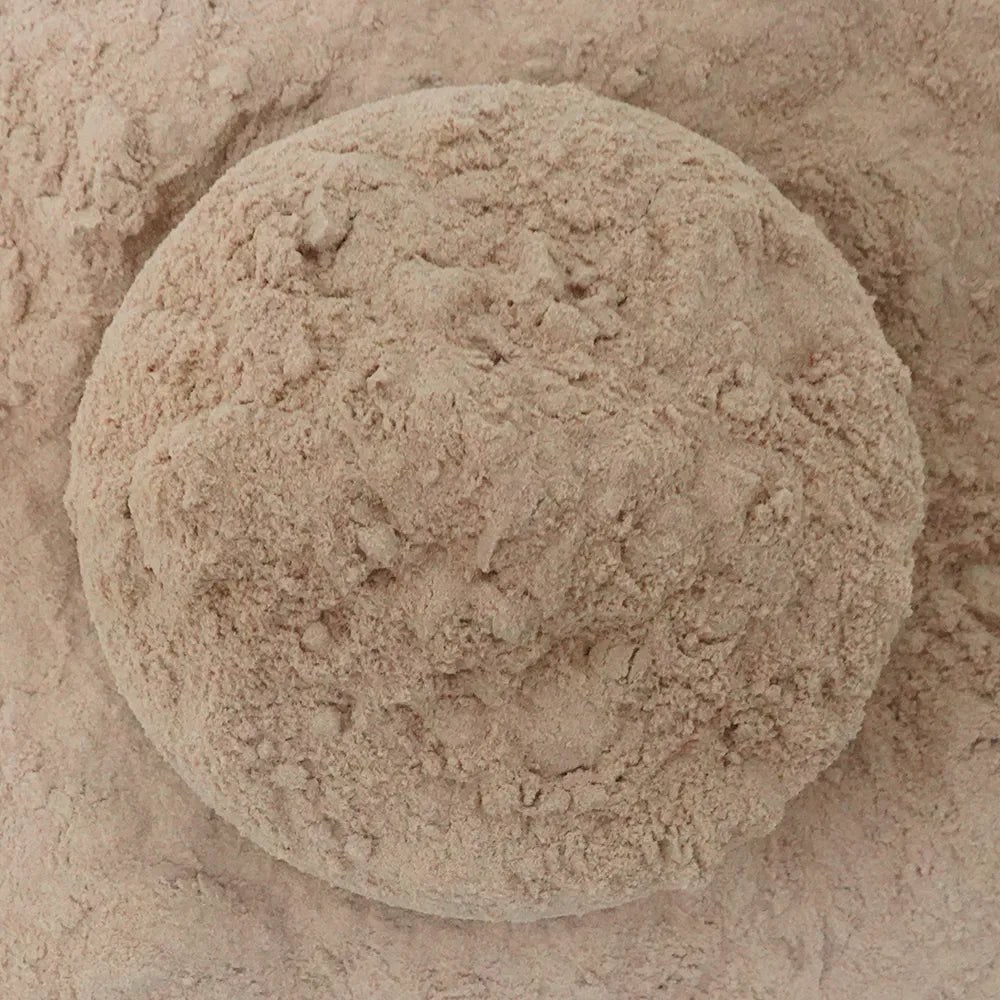
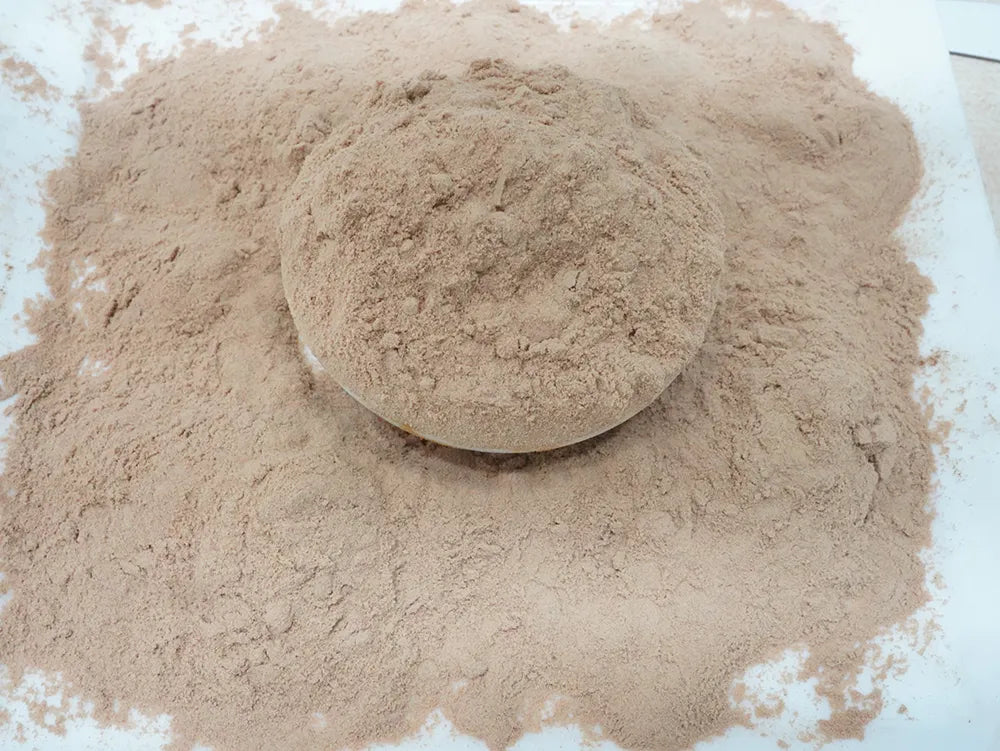
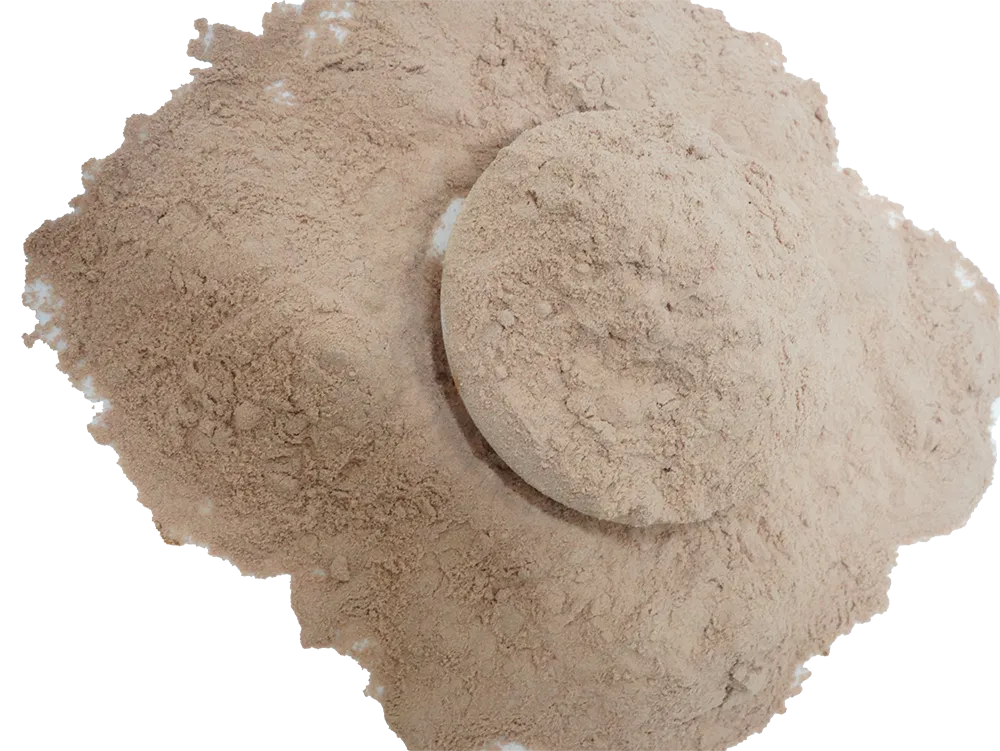
Lion's Mane exhibits a beautifully subtle, almost ethereal flavour — lightly earthy with a soft roasted nut aroma and a hint of woodland sweetness.

With a light, silky body, Lion’s Mane leaves just a trace of umami on the tongue. Its clean finish is light and silky. The tea form of Lion’s Mane has the softly sweet aroma of warm forest soil after rain.

Rather than overpowering like many mushrooms, Lion’s Mane is gentle and refined, while its natural creaminess makes it a sophisticated partner to both sweet and savory pairings. During one’s experience, Lion’s Mane evokes a slow meditative state. It is best enjoyed during solitary contemplation– “a walk through a misty forest in the gentle sun”.

Common Questions

1. Why Do People Take Lion’s Mane?

Lion’s Mane is primarily appreciated for its purported benefits in enhancing focus, memory, and learning.

2. Is Lion’s Mane Good For Everyday Wellbeing?

Numerous people add Lion’s Mane to their regimen as part of a healthy lifestyle, particularly due to its longstanding use in traditional practices.

3. Can Lion's Mane Affect Mood or Stress?

Lion's Mane is popular among those seeking natural remedies to enhance their mental wellbeing, although results may differ from person to person.

4. How Do People Usually Consume Lion's Mane?

Available in the form of tea, powders, extracts, or even in capsules, its various forms make it convenient to enjoy no matter the time or place.

5. Is Lion’s Mane Backed By Tradition?

Yes, Lion’s Mane has been used for several centuries especially by East Asian cultures who valued it both for its food and wellness benefits.